
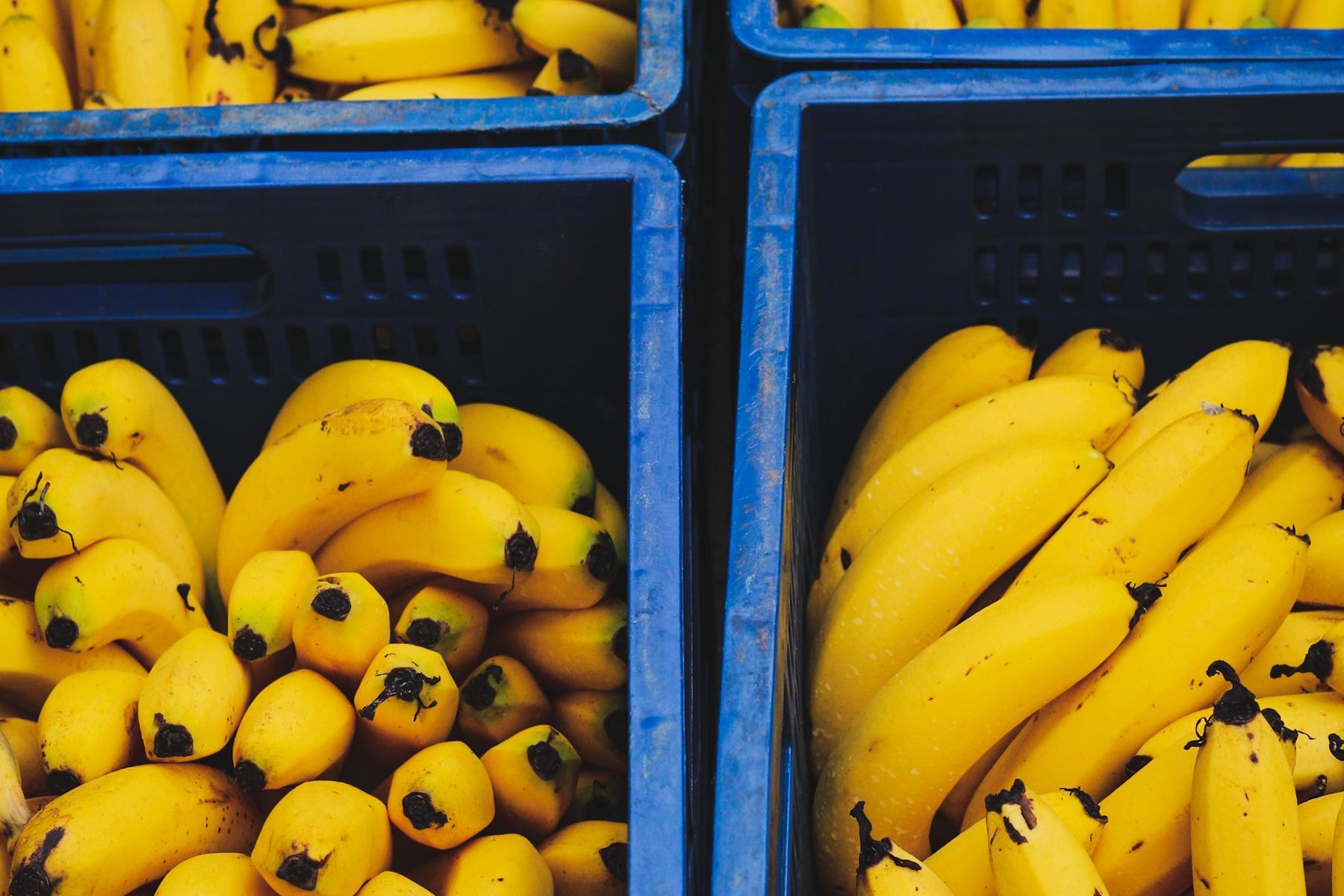
A product name alone is not enough to declare a mixed load compatible. Some commodities produce ethylene and others are sensitive; the effect depends on the pairing and exposure conditions. UC Davis commodity facts describe production and sensitivity separately.
Check the pairing before loading
List the commodities and cultivars on the dispatch sheet. Cross-check producers such as apples and pears against sensitive goods such as lettuce and broccoli in UC Davis facts. This screen identifies a risk; it is not a universal ban on all co-loading.
Set separation and records for the route
Where a pairing presents a risk, consider a separate compartment or trip. If that is not possible, use separate packaging, avoid placing the goods directly across the airflow from one another, and record route duration and compartment arrangement. Link arrival observations such as colour change, softening or leaf yellowing to the lot.
Do not automatically carry the same plan into every season and route. Repeat the check when the commodity mix, waiting time or ventilation changes.

