
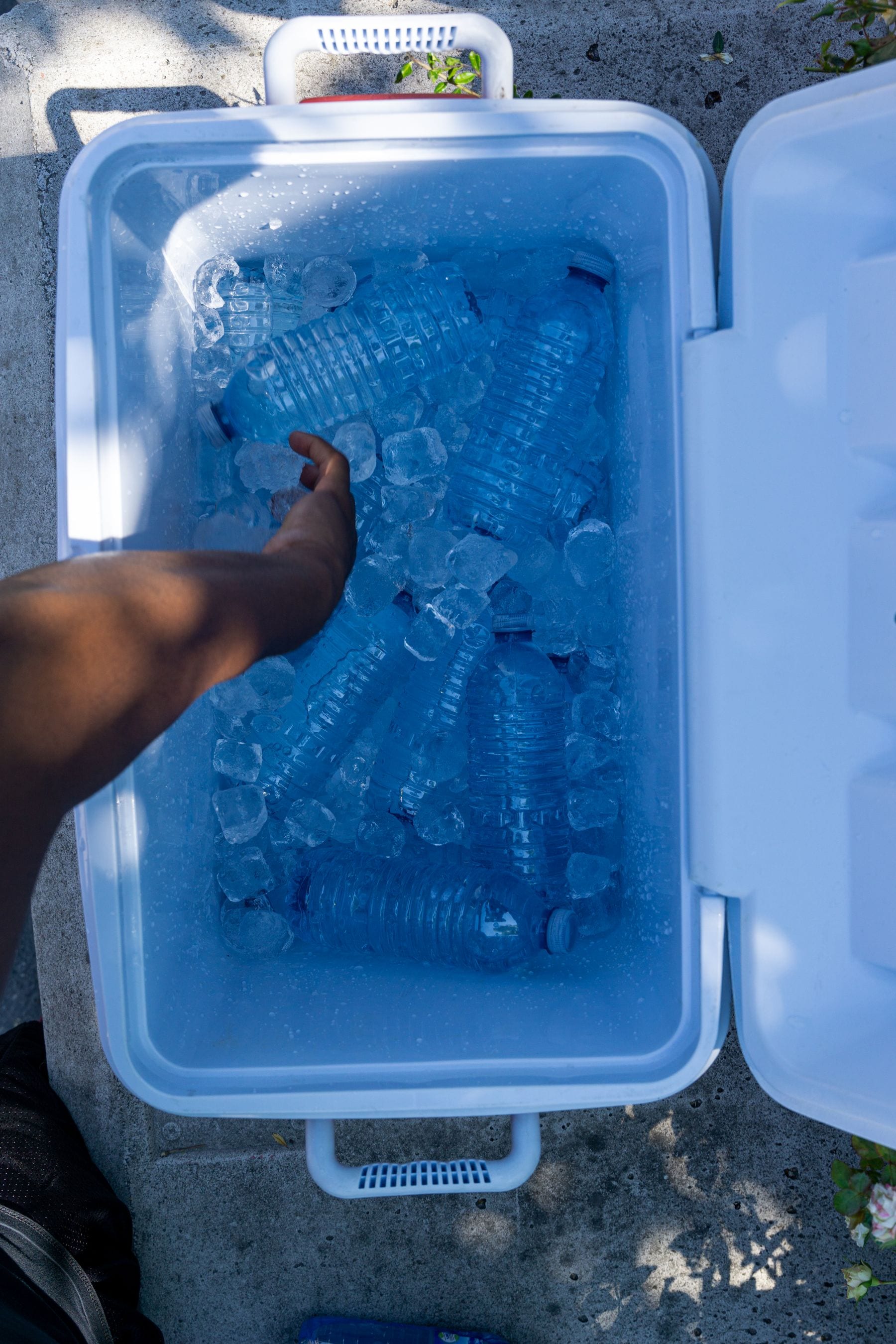
Insulin storage has two layers: unopened stock stays cold, while product in use stays at room temperature according to its own product information. As an example, the EU product information for Lantus (SmPC sections 6.3 and 6.4) reads as follows:
| Situation | Condition |
|---|---|
| Unopened vial, cartridge, pen | Refrigerator, 2-8 °C; not next to the freezer compartment or a freezer pack, protected from light |
| Pen in use | Up to 4 weeks at not above 30 °C; not in the refrigerator |
| In transit | The band of unopened product: 2-8 °C, without freezing |
Freezing is a certain loss: the FDA states that frozen insulin must not be used. So in a transport box the ice pack must not touch the product; put a cloth or card barrier between pack and product and keep the box out of direct sun, because excess heat also lowers effectiveness and the loss grows with exposure time.
The in-use period varies by product. According to the FDA, vials and cartridges from the three US manufacturers can stay out of the fridge at 15-30 °C for up to 28 days; for some products, such as the once-weekly Awiqli, that window is longer. Take the period from the information on the pack instead of memorising it.
On a long journey add a small temperature logger. If freezing or prolonged warming occurred, segregate the product and pass it to the pharmacist or quality lead together with the duration and the lowest and highest readings.