
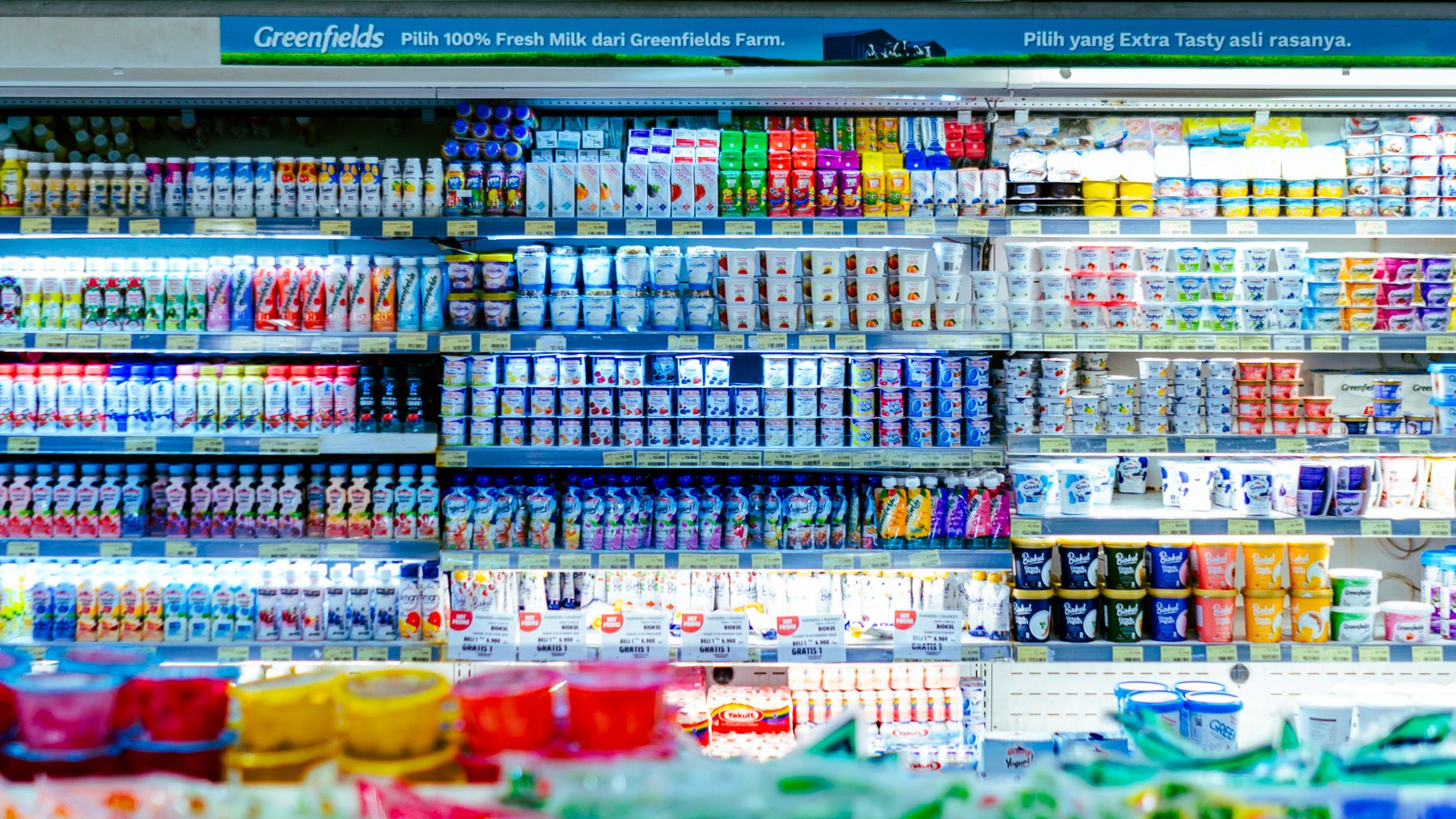
Fermented drinks vary by product and manufacturer instructions. Base distribution decisions on the label, lot and observed handling, not a generic temperature assumption.
Verify product information first
File each product's storage instruction and manufacturer data with the shipment. Do not assume all product types share the same conditions.
Match distribution data to the lot
| Check | Information to record |
|---|---|
| Product | Lot and pack type |
| Transport | Route, stops and waiting |
| Measurement | Sensor position and raw record |
| Outcome | Returns, complaints and review |
Investigate bottle findings. For swelling or leakage, document the pack, lot and transport record, then segregate product. These findings prompt review; alone they do not determine safety or disposal.
- Share product instructions with dispatch staff
- Record actual route and waiting
- Add lot details to return records
- Escalate excursions to authorized quality staff
- Measure cabinet conditions at the relevant site
Compare multi-stop routes. Compare waiting and measurements at the first and last delivery points for the same lot. If they differ, review stop order, door openings and store receipt time.
Read complaints with lot and route details.
Join shelf and delivery records
If product waits at retail, match delivery records with retailer measurements. Keep sensor position and record duration clear.
Measure equipment on small deliveries
A maker using its own vehicle can test the carrying volume with a representative load. Choose insulation against manufacturer instructions and measured route conditions.
Shelf-life assessment
Assess shelf life or culture claims only against approved product specifications and test methods. A field trial does not replace maker or laboratory validation.
Review return patterns
Log return reason by lot, delivery point and date. A repeated association guides investigation but does not prove cause without records and product review.
Decision record
Link product instructions, measurements and review to the same lot file. Sale or disposal decisions belong to the business's authorized quality procedure.