
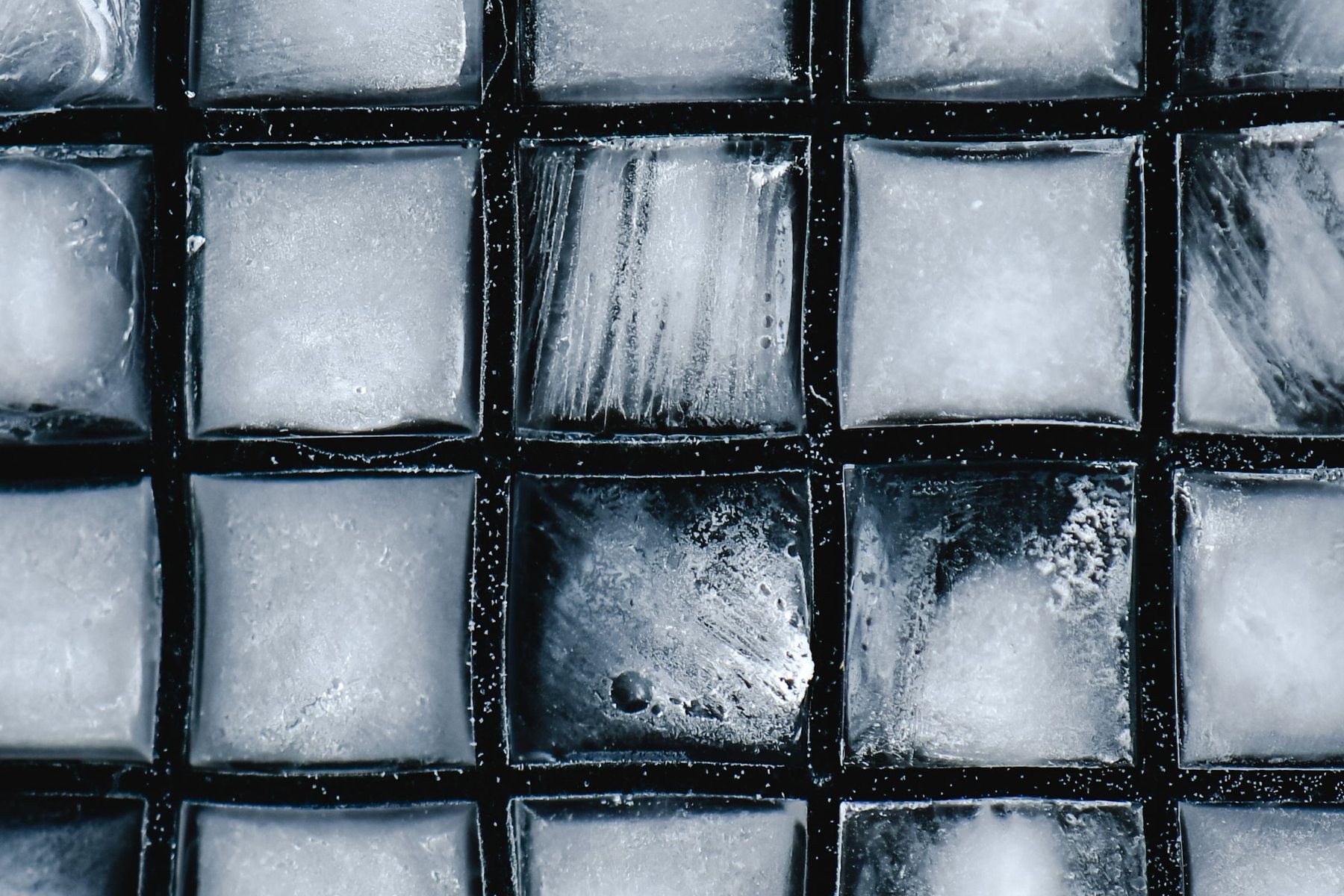
In the field, ice pack, gel pack and eutectic plate are often used as names for the same thing; all of them store cold as they freeze and give it back as they melt. For a medicine the choice comes down to the melting point and the temperature at which the pack goes into the box.
| Coolant | For a 2-8 °C medicine |
|---|---|
| Pack straight from the freezer, -20 to -25 °C | Not used with freeze-sensitive products |
| Conditioned water ice pack, about 0 °C | Used this way by WHO |
| Frozen gel pack | Not used by CDC, even when sweating |
| PCM conditioned at 4-5 °C | Recommended by CDC, not yet by WHO |
The WHO guide to vaccine transport (WHO/IVB/15.03, 2015) rules out packs taken straight from the freezer, because the inside of the box stays below 0 °C for hours; the pack is left out until the ice core moves when shaken. CDC (2026) does not use frozen gel packs at all, because they can freeze vaccines even when they look conditioned.
GEBHARDT eutectic plates come with standard melting points of -3, -14, -18 and -21 °C and are meant for food transport. A melting point suited to the 2-8 °C band is made to order; Aris Makina can pass that request on.
Transit time depends on the energy the pack stores and the insulation of the box. Model, quantity, position and conditioning time go into one packout instruction, and the packout is tested with the real load and ambient temperatures, as WHO Technical Supplement 13 describes.