
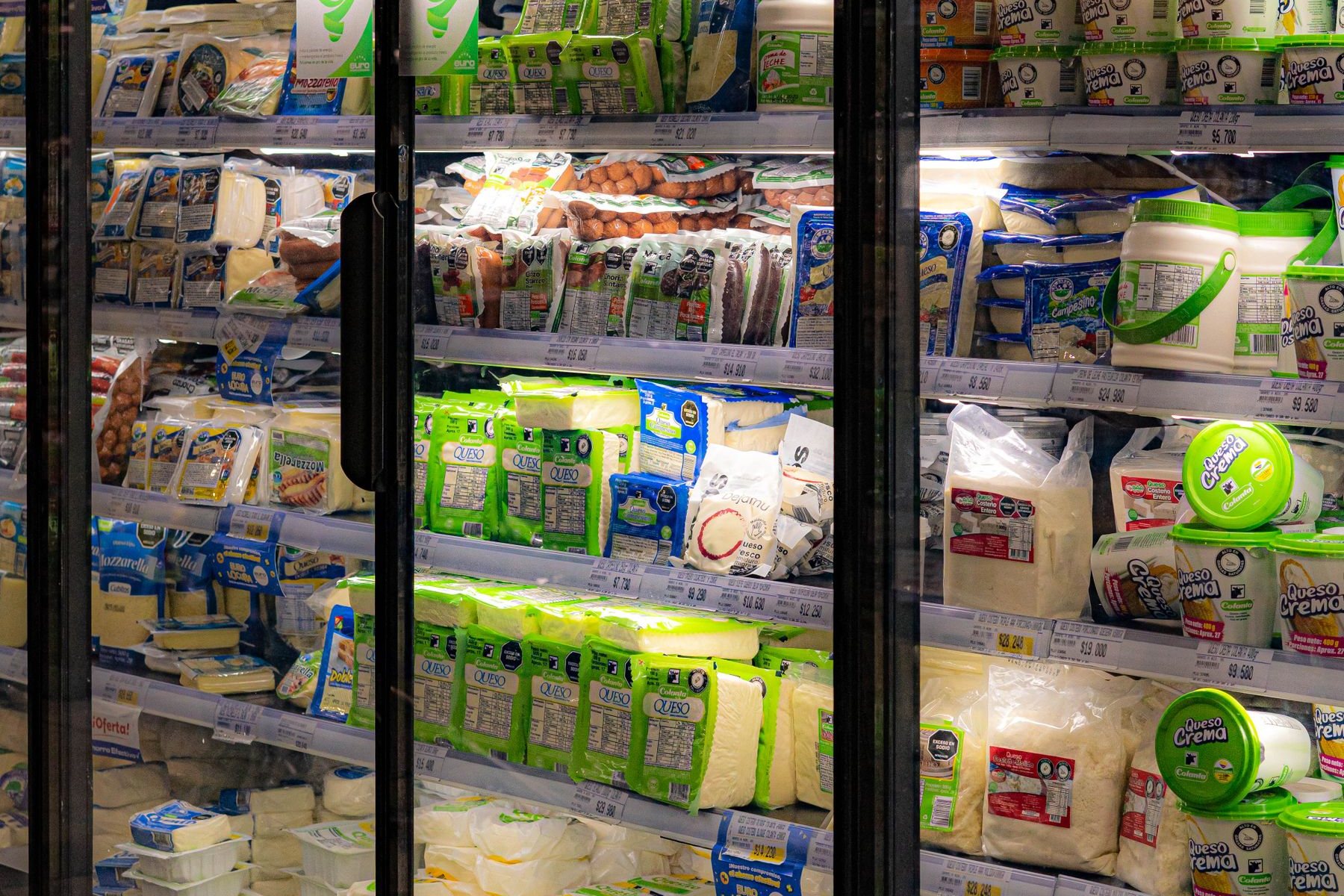
A log filled in wholesale at the end of the day serves only for inspection; a log that works catches the excursion on the day it happens. Three settings make the difference: a fixed reading time, at least at opening and closing, a measuring point set once and never moved, and the target printed in large type at the top of the form. Staff who do not know the target by heart write down an out-of-range value as normal and move on.
In a unit holding poultry the target is 4 °C at most. In the second of the two sample lines below, the value has gone above that limit:
| Date, time | Reading | By | Action if out of range | Check reading |
|---|---|---|---|---|
| 12.06, 08:00 | 2.8 °C | AK | - | - |
| 12.06, 18:00 | 6.1 °C | AK | Door seal wiped, product moved to lower shelf | 19:00, 3.6 °C |
The last two columns are the most important part of the form. If what was done when the value went out of range is not written down, the record is incomplete; when the boxes are pre-printed staff fill them in, while an empty line stays empty.
The measuring point. In most units the warmest spot is the top shelf near the door; find it by measuring several points with the unit empty and full, then fix the thermometer there. Placing the thermometer in a sealed bottle of water instead of open air gives a value close to the product and cuts false alarms from door openings. A unit with an automatic logger needs a shorter form, but still a form: the device records temperature, not who saw it or what they did.