
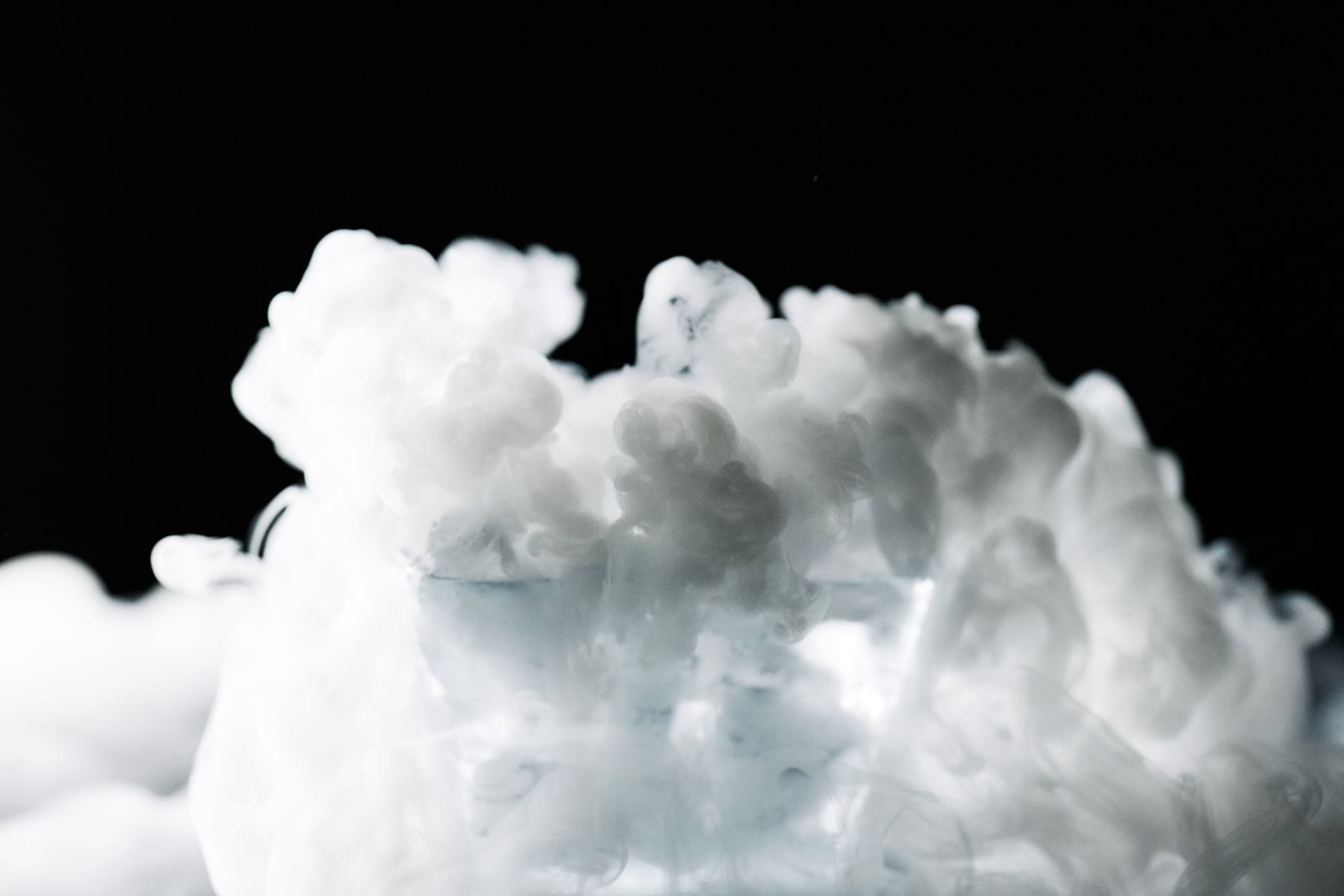
What is the temperature of dry ice?
Dry ice is carbon dioxide in solid form; at atmospheric pressure it sublimes at -78.5 °C (-109.3 °F), and unlike ordinary ice it leaves no water behind. If you ask how many degrees below zero dry ice is, the answer is the same: minus 78.5 degrees. That low temperature makes dry ice effective for frozen goods and ultra-cold medicines and is also the source of its risk. Set against the other reference temperatures of the cold chain, the gap looks like this:
| Reference | Temperature |
|---|---|
| Ordinary ice | melts at 0 °C |
| Quick-frozen food | -18 °C or colder |
| GEBHARDT's coldest eutectic plate | melts at -21 °C |
| Dry ice | sublimes at -78.5 °C |
Dry ice turns to gas as it warms
Liquid carbon dioxide exists only under high pressure; at normal pressure, warming dry ice goes straight to gas without passing through a liquid, and its mass shrinks hour by hour. How long a given amount lasts is a separate question, covered in how long dry ice lasts.
What does it do to the product?
On direct contact the product surface over-chills and some packaging turns brittle. A separating layer or a separate compartment protects the product and spreads the cold more evenly. How cold the product actually gets is shown by its own logger; details are in does dry ice freeze the product.
Gas and handling
The carbon dioxide it gives off is about 1.5 times heavier than air; in a closed vehicle body, a small store, a lift or a cold room it settles at floor level, displaces oxygen and creates a risk of suffocation. The rules are set out in working safely with dry ice.
- Never handled with bare hands: on skin, dry ice causes frostbite, so insulated gloves are used.
- Never stored in an airtight container; trapped gas builds pressure.
- A closed body is ventilated before loading and unloading.

