
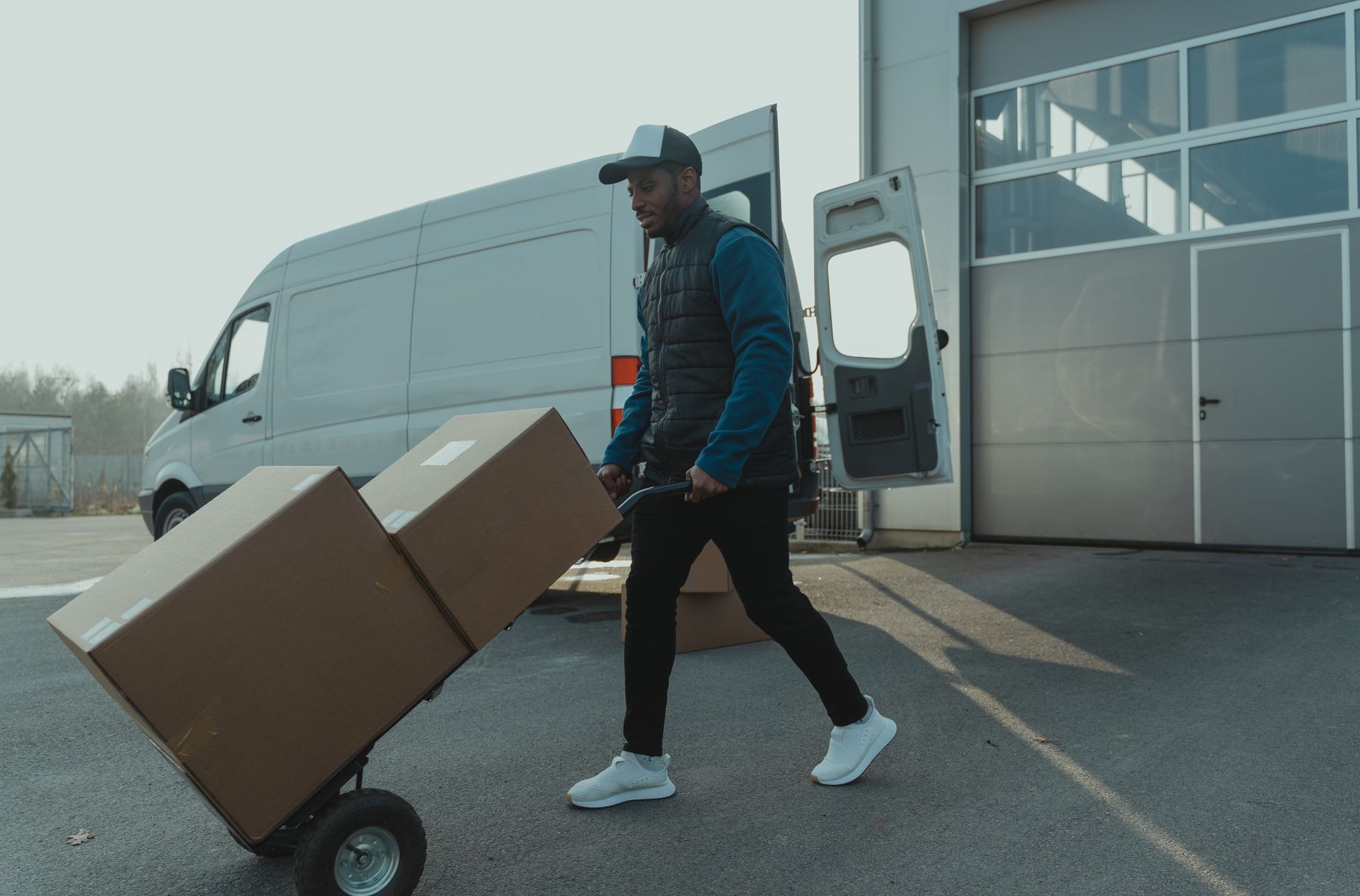
In transported catering the food is made in a central kitchen and the school is only the distribution point. Because one vehicle serves several schools, the first school's food arrives early and waits for the bell; the gap between the first and last school on a route can run to hours. One delivery time is therefore not enough, and three are written down: loading at the kitchen, arrival at the school and serving. When something goes wrong these three times show whether responsibility lies with the kitchen, the road or the school.
A menu that mixes hot and cold products has two separate problems. The main dish travels hot, while yoghurt, ayran, salad and fruit are cold products; ayran that waits beside hot pots stops being a cold product by the time it reaches the school. An insulated container holds each at its own temperature.
For the retained sample, the yardstick is Article 40 of the Regulation on Official Controls of Food and Feed: institutions and businesses serving mass catering keep a sample of every dish of a meal batch for 72 hours under suitable conditions. The Ministry of National Education's canteen inspection guide recommends cold or frozen storage and at least 250 grams per dish. If the sample is kept at school, a staff-room refrigerator opened often does not represent the storage condition; the sample gets its own refrigerator with a monitored temperature, and the sample record is tied to the delivery schedule by menu, date and batch.