
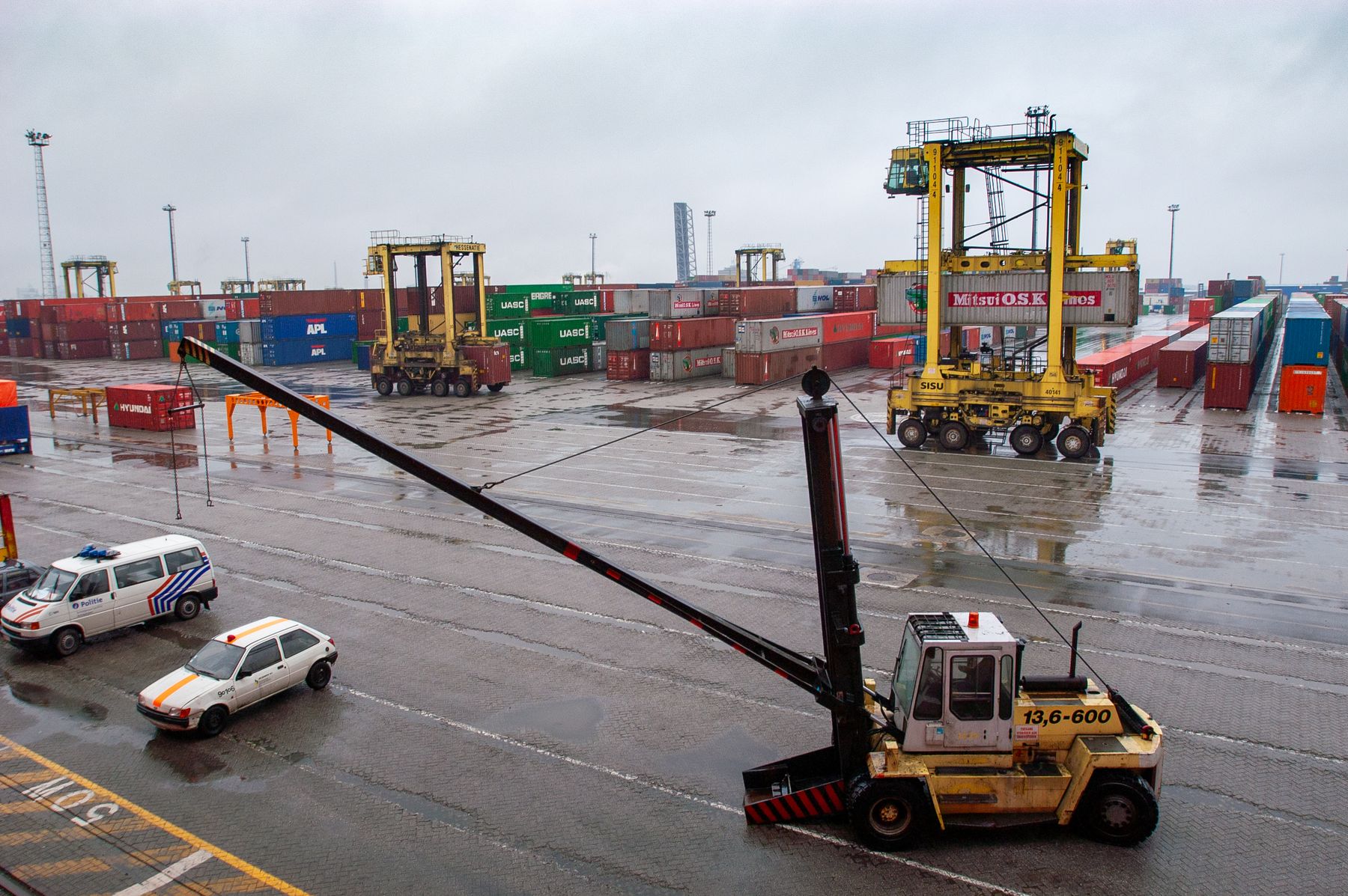
During a customs hold, first confirm where the load is and how cooling is maintained. Duration, power access and decision authority can differ by terminal and shipment conditions.
Confirm before departure
Share required documents, contacts and escalation numbers in writing with the customs broker and consignee. Ask the terminal for current rules on electrical connection, vehicle waiting and charges.
When the hold begins
Log each timestamp, location, seal condition, logger data, power connection or fuel status, and communications. Do not assume a connection or idling is allowed; confirm with the site contact.
Set roles in writing. Add the carrier, broker, consignee and terminal contacts, cost owner, temperature-record custodian and escalation point to the shipment file.
Document product decisions
If a deviation appears, send lot details and measurement records to the quality lead. Do not decide acceptance, sale or disposal before checking product information and applicable official requirements.
Close the incident. Keep release and delivery times, extra costs, logger files and instructions in one incident record. Use it to compare causes of delay and cost on future shipments.
