
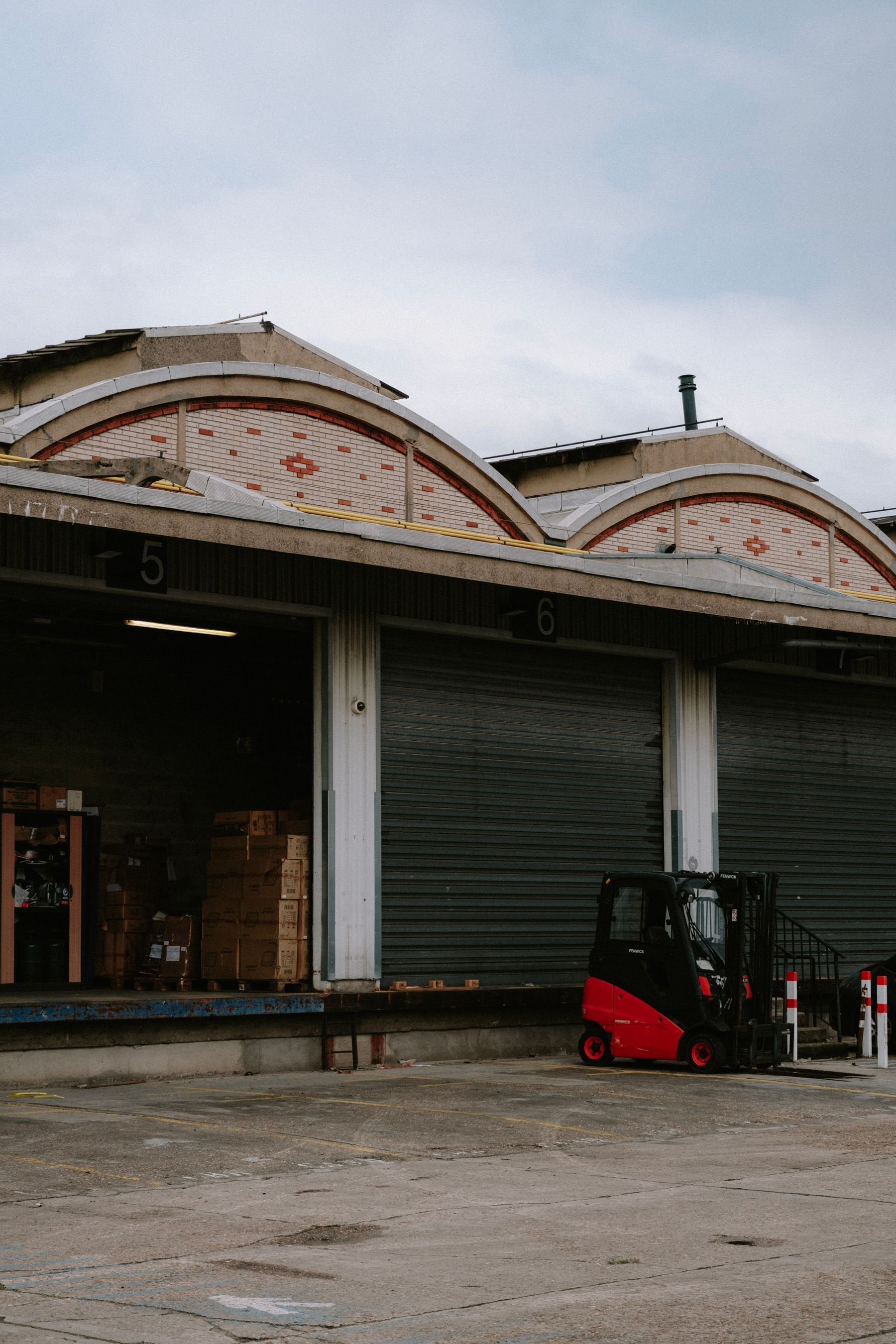
Physical damage and a temperature deviation may require different evidence in an incident file. First link product, container, and delivery identifiers under one case number.
Initial record
Before unloading, photograph the overall scene and the load condition.
Show door, seal, and visible damage separately; link images to time, location, and container serial ID.
Download the logger's original file and keep an unaltered copy.
Add device serial, clock setting, sensor location, and current calibration record.
Record observed condition, measurement time, and method on the delivery document; obtain the other party's note or signature.
Record any refusal to sign and who reported it.
File checklist
| Documents | Order, carriage, delivery, and policy records |
|---|---|
| Timeline | Loading, arrival, opening, measurement, and notice times |
| Equipment | Container/device ID, maintenance, and pre-incident checks |
| Temperature | Original log, sensor location, and method |
| Images | Scene, load, damage, and delivery condition |
Keep the temperature record readable
Keep raw logger data unaltered. If you create a chart or summary, name the software and time zone.
The other party's record
Request the carrier's or recipient's record too. If measurements differ, store both files separately and compare device, location, and timestamps.
Close the file
After review, record the corrective action, owner, and completion date; this becomes the trace method for a later incident.
Check notice conditions
The policy and contract set the notice channel, owner, and deadline. Create a timely record; evidence does not guarantee an adjuster's decision or payment.

