
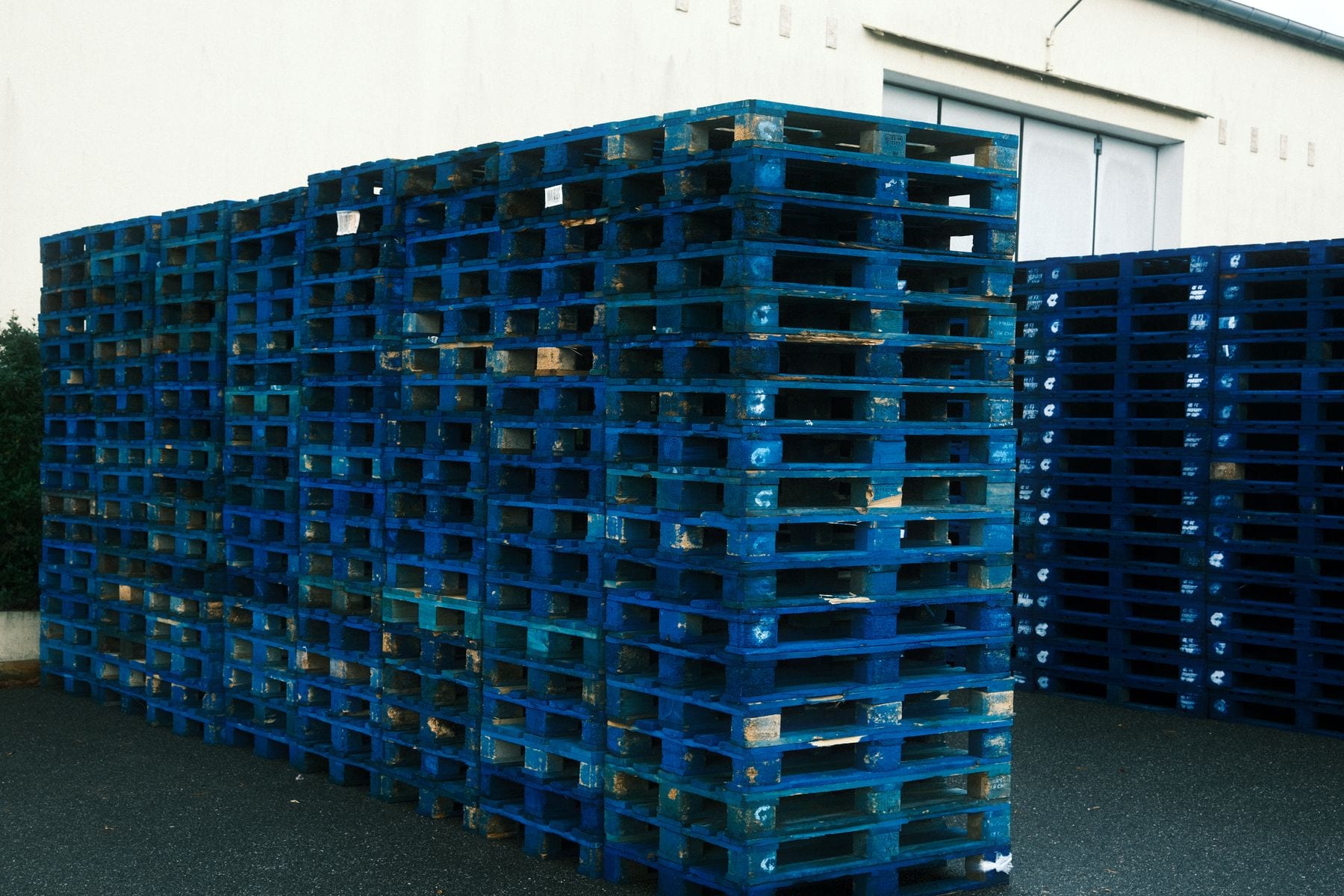
The hard part of returnable packaging is not the container but its circulation: who counts, who washes, who carries the losses. In a pooling model the containers belong to a pool operator and are rented to the user, so for the user the container turns from an owned asset into a service. The operator inspects, washes and sanitises after each use, and depreciation and replacement do not fall on the user.
That arrangement means you do not hold surplus containers through seasonal swings, and the investment stays off your balance sheet. In return it demands standard dimensions, legible labelling, accurate counting and timely returns, and if the contract does not state the loss charge clearly, the system clogs.
If you need special dimensions, specific insulation or a hygienically closed loop, your own fleet is the better fit, because a pool standard does not always cover it. To decide, work out the annual total of both models for the same routes and service level: average and peak container count, turnaround per trip, idle stock, capital, return transport, cleaning, repair, loss and the pool fee. The agreement then settles who owns each container, how handovers are counted and who bears damage and loss.

