
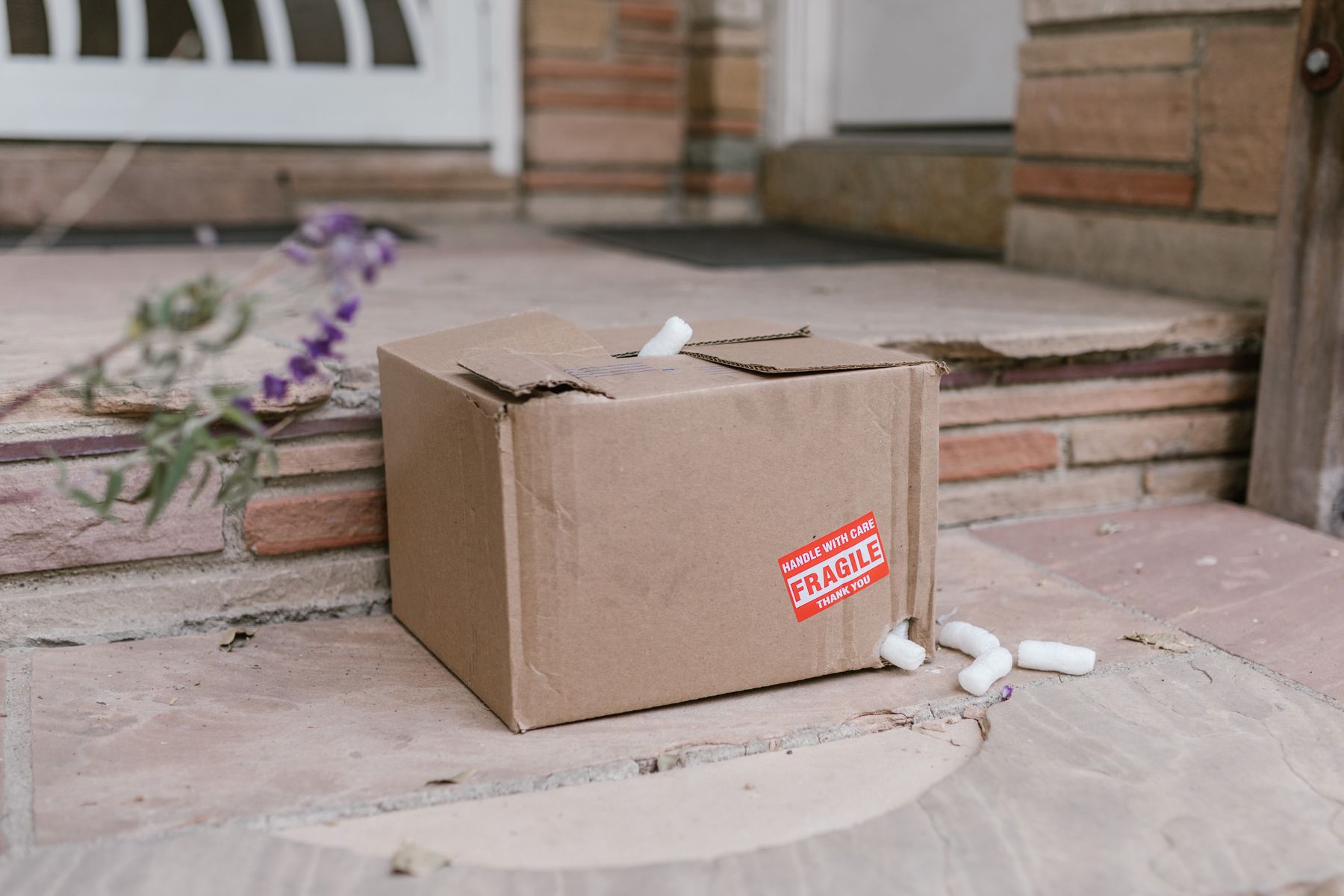
The packaging argument usually stops at unit price, and breakage stays out of it because nobody counts it. In the Fraunhofer IML and University of Bonn fruit and vegetable transport study (Lange and Pelka, 2013, reported in the 2022 Fraunhofer UMSICHT and IBP report), packaging broke in 4.2 per cent of single-use cartons and in 0.12 per cent of reusable plastic crates.
| Single-use carton | Reusable plastic crate | |
|---|---|---|
| Packaging breakage | 4.2 per cent | 0.12 per cent |
| Product damage in broken packs | about 24 per cent | about 4 per cent |
| Product damage per 1,000 packs (calculated) | about 10 | about 0.05 |
The thirty-five-fold multiplier matters because every broken pack can also produce product loss: tomatoes in a crushed carton are not sold, the shelf stays empty and the store writes a loss record. The report ties the gap to the crate's higher mechanical strength and better handling thanks to standard dimensions; for cartons, low strength, missing modular fit and poor compatibility with other packaging led to breakage and product damage, above all in retail. In cold and damp conditions a carton also needs high wet strength, which means more virgin fibre and extra treatment.
Two counters are enough for your own route: how many packs broke this month and in how many of them the product was damaged too. Kept for three months, that record bases the packaging decision on your own log rather than a price list. For short one-way trips with light goods a carton can still make sense; the rates above come from one fruit and vegetable study and are no guarantee for your route.
