
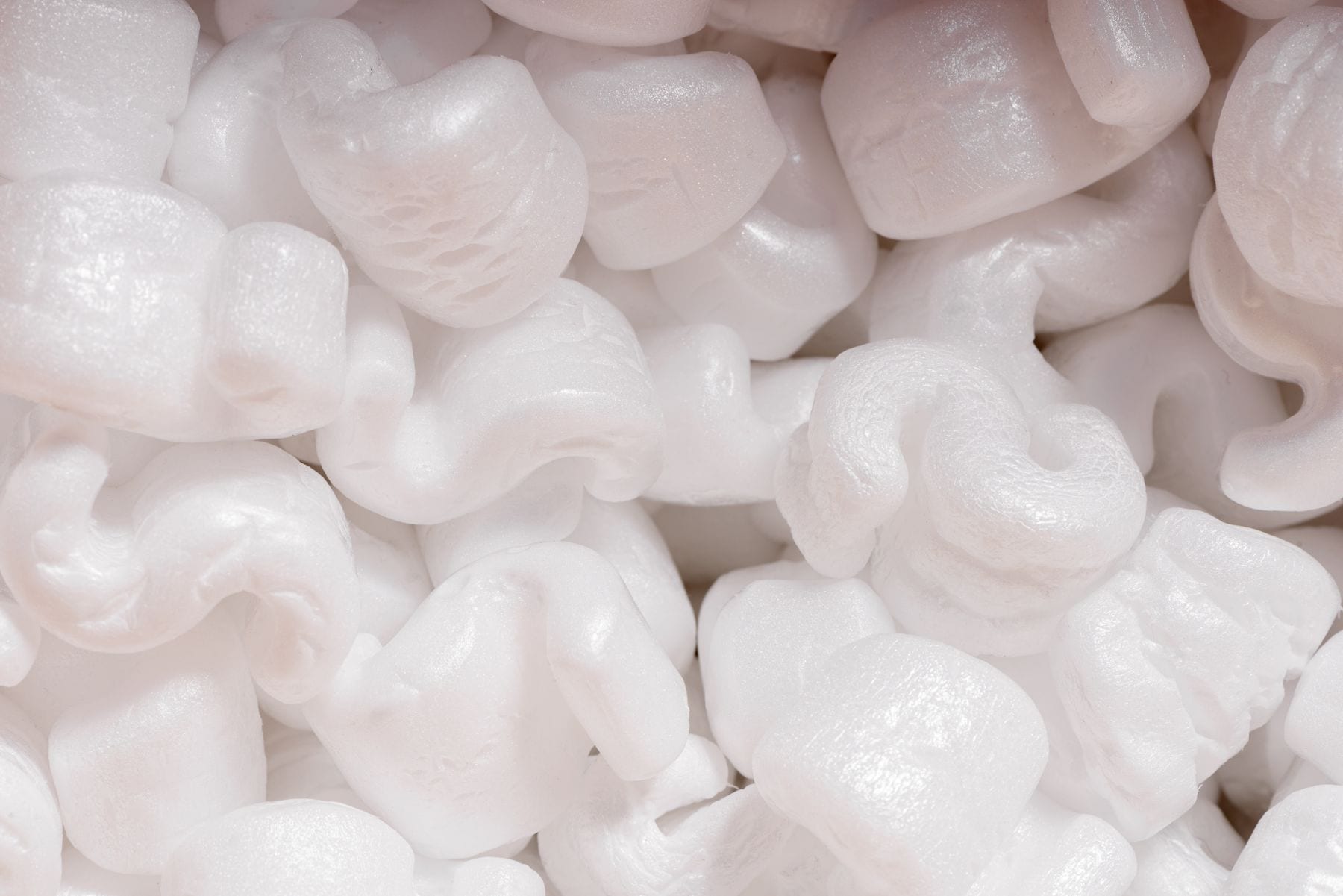
The insulation of an EPS box comes not from the material but from the air inside it; about 98 percent of the volume of expanded polystyrene is air. The box makes no cold, it slows heat transfer between inside and outside. How many hours it holds is therefore a question of how intact that insulation remains.
| Factor | Effect |
|---|---|
| Wall thickness | Lengthens the heat path |
| Lid seating | Heat enters through the gap around it |
| Moisture | Water in the cells lowers the insulation |
| Broken or crushed corner | Opens a direct heat path |
| Coolant quantity | Sets the total cold stored |
However thick the body, the gap around the lid is where heat gets in most easily; a box whose lid does not seat or is not taped falls short of its expected time, so write lid taping into the shipping instruction. EPS left outside and rained on takes water into its cells; because water conducts heat far better than air, a damp box holds less than a dry one. Stacking, dragging in transit and forklift contact crush corners.
To get your own figure:
- Put the same load into two boxes, one new and one used.
- Give both the same amount of coolant and keep them in the same environment.
- Follow the temperature at the core of the product with a logger; a reading of the air inside the box does not stand in for product temperature.
- Compare the hours at which the target is crossed; when to renew a box is then tied to data.
