
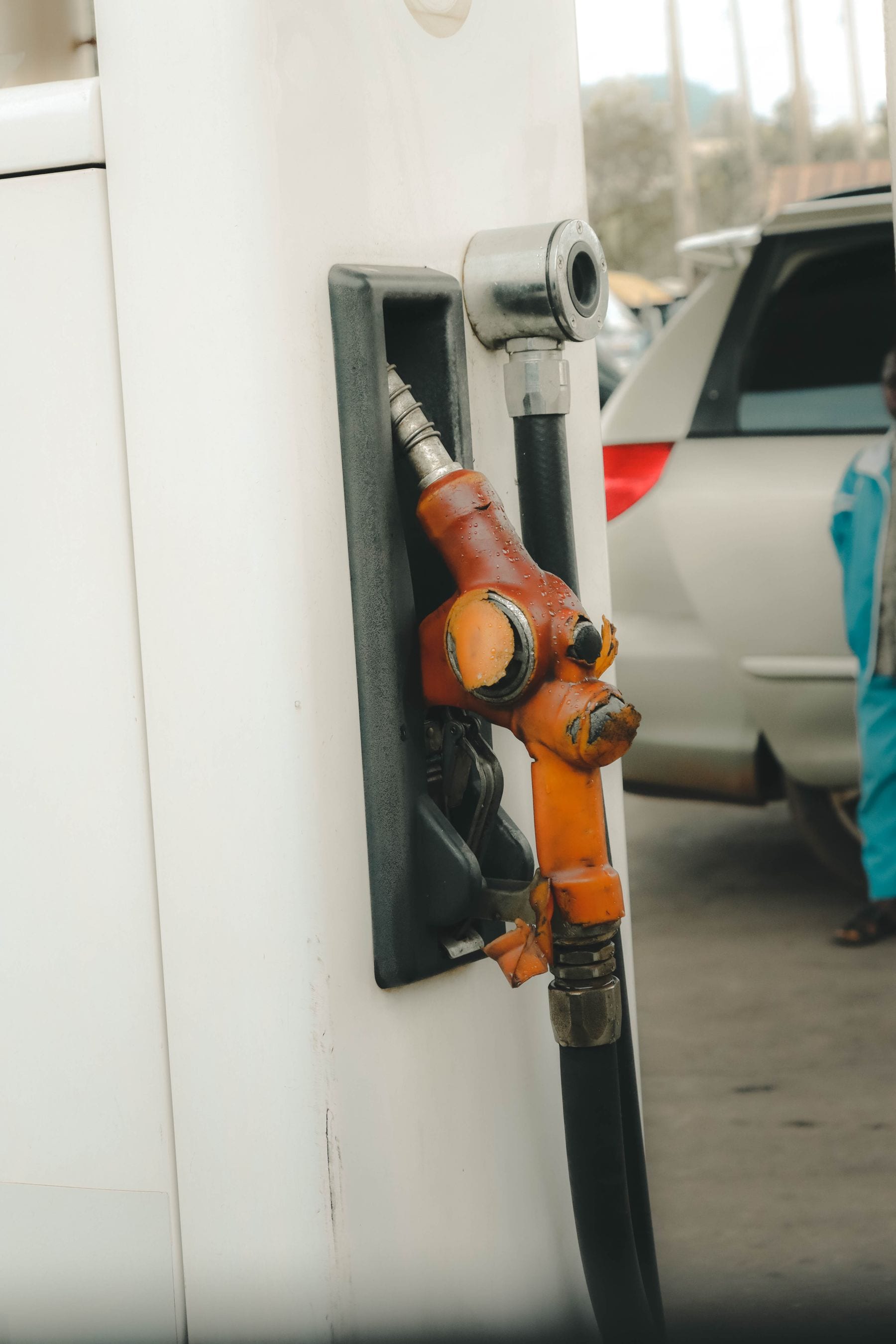
A fuel receipt is a starting point, but the calculation needs litres, fuel type, vehicle or trip, and period. Reconcile fleet-card or depot records with the same trip or reporting period.
Calculation structure: fuel quantity (L) × fuel factor from the chosen source (kg CO2e/L) = emissions (kg CO2e). This symbolic example uses local litre and factor values; state whether the factor covers combustion only or also fuel production and supply.
For tonne-kilometres, multiply cargo tonnes by distance on each route leg under one definition, then sum. If load changes after deliveries, calculate legs separately; align boundaries, periods, and scope for numerator and denominator.
If refrigeration uses separate fuel or electricity, create an independent line from meter, card, or charging records. Before combining vehicle and refrigeration data, verify the selected reporting standard's boundary and allocation rule.
