
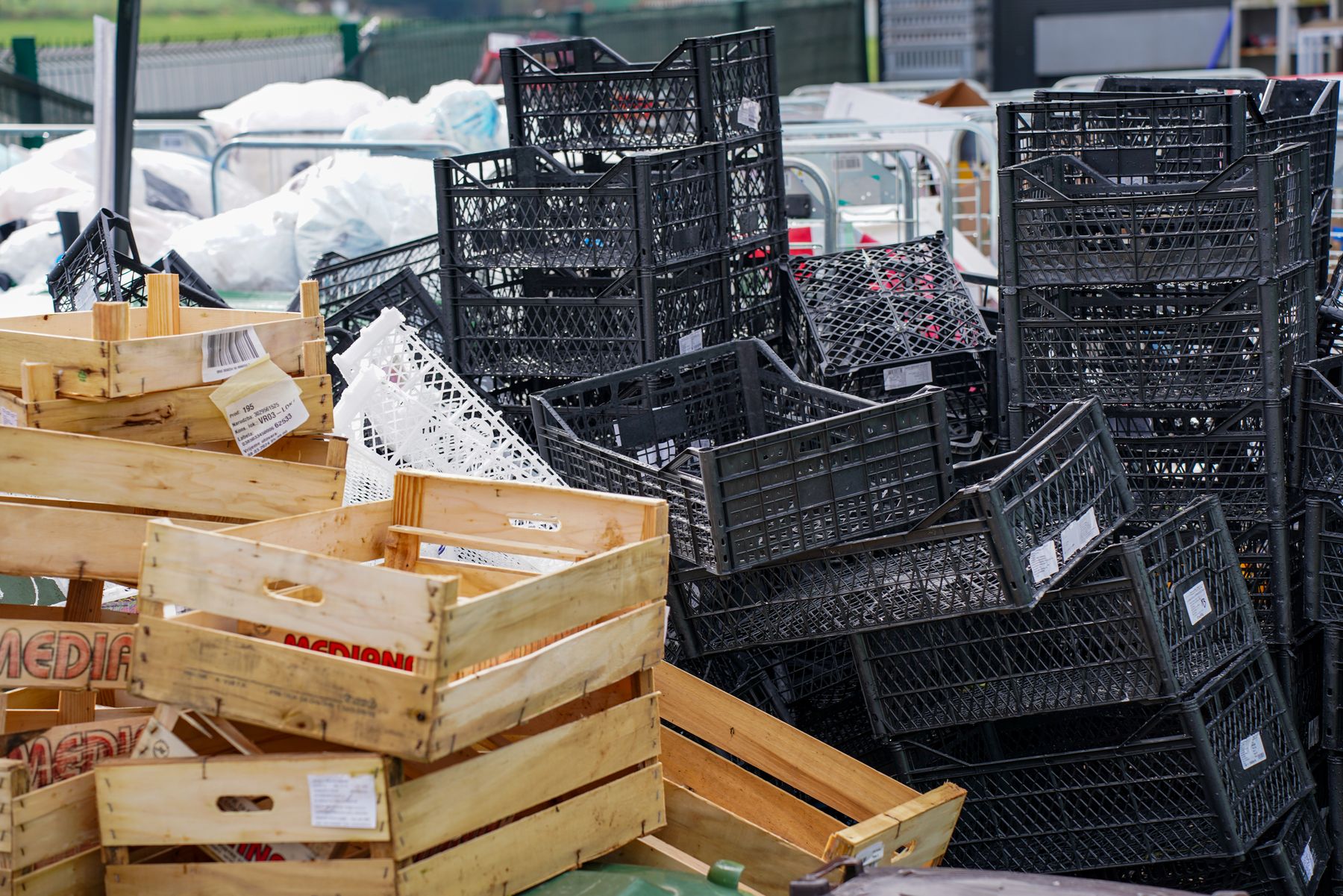
Reverse flow in a cross-dock requires different decisions from outbound shipments. Create distinct IDs and statuses for returned goods, damaged goods, empty containers, and pallets.
Link receiving area, date and time, product or container ID, quantity, return reason, and supporting document in one record. If product status is uncertain, keep it apart from saleable stock until an authorised quality decision is made.
Track daily return and empty-equipment volume, time spent sorting or inspecting, and space used by shift. These records show when and for which flow separate space or labour is needed.
Before adding empty-container collection to a delivery round, check vehicle space, route duration, loading order, and labour impact in a pilot record. Keep outbound flow distinct and name collection and disposition owners in shift instructions.


