
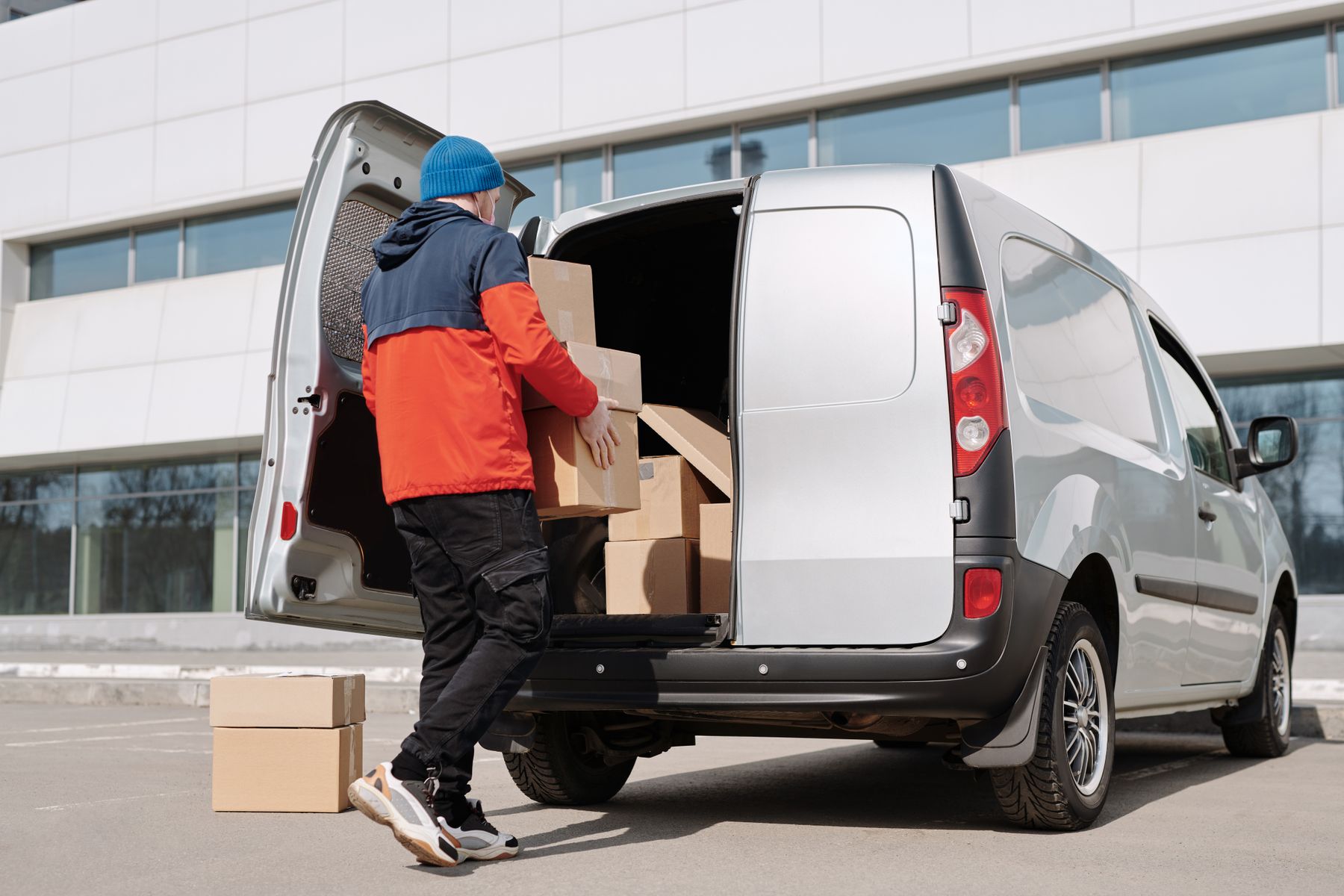
Vehicle access and handover arrangements can differ from street to street in a historic centre. Build the plan from verified conditions for the exact address and delivery time.
Verify access in advance
Check the municipality's current access, parking and unloading information. Add conditions for the address, vehicle type and time to the trip file.
Measure the leg to the door
On a trial delivery, record where the vehicle stops, the walking distance to the door and the elapsed time. Mark vehicle travel and pedestrian transfer as separate stages.
Waiting and staffing
Record receiver readiness, waits, number of handlers and handover time at the door. Do not assume one person is sufficient in every setting.
Monitor for the product
If temperature records are required, choose sensor location using product instructions and an approved method. Keep vehicle air, container and product readings distinct.
Select equipment by trial
Test closures, stairs, pavements and trolley access with the actual load. Measure receiver unloading and the return flow as well as container portability.
Compare alternatives
Compare different parking points, delivery windows or crew arrangements with the same load and similar receiver readiness. Record deviations and stage times.
Update the route card
Keep verified access notes, parking, building entrance, receiver contact and trial results on the route card. Recheck details when conditions change.
Base the decision on records
The pedestrian-transfer method must fit the measured route and product instructions. Actual trip records show which arrangement works.