
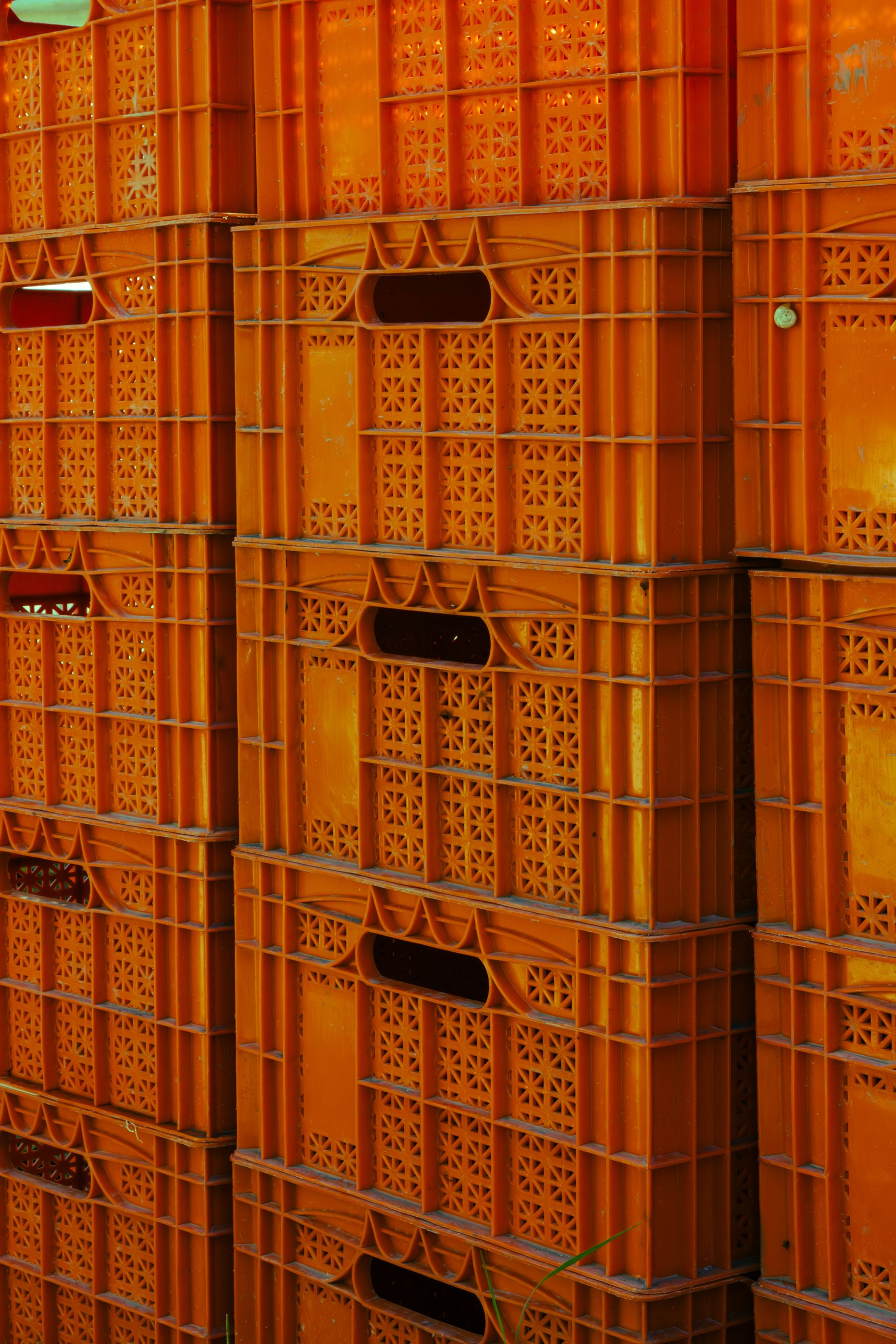
Tubs, trolleys, and shipping containers may serve different stages in a meat operation. Choose according to whether product is exposed or packaged, travel distance, loading method, and cleaning flow.
For each stage, check product-contact surfaces, permitted load information, and wash procedure in manufacturer documents. A material name alone does not prove food-contact or cleanability suitability.
Trial a loaded tub on the actual floor, threshold, and trolley. Check castor movement, brake and handle access, shelf spacing, and passage through doorways. Use manufacturer data for capacity or load limits; assess staff lifting loads under the site's occupational-safety process.
Map dirty returns, washing, drying, and clean-equipment storage as separate flows. Confirm with the actual procedure that the tub fits the wash rack, cleaning steps are accessible, and it dries after processing.
If an insulated container is used for shipping, define product conditions, container configuration, and route together. Do not assume hold hours or temperature performance without representative-load measurement.
The shipping-side choice has its own section: thermal containers and eutectic plates are gathered in one place.
Trial the transfer from internal trolley to shipping container on site. If it requires repacking, lifting, crossing a dirty area, or removing equipment, include those steps in time and cleaning-flow assessment.
Include empty-return space, wash compatibility, spare parts, and fit with existing handling equipment in the purchase comparison. Verify each feature against the exact model and accessory documents.

