
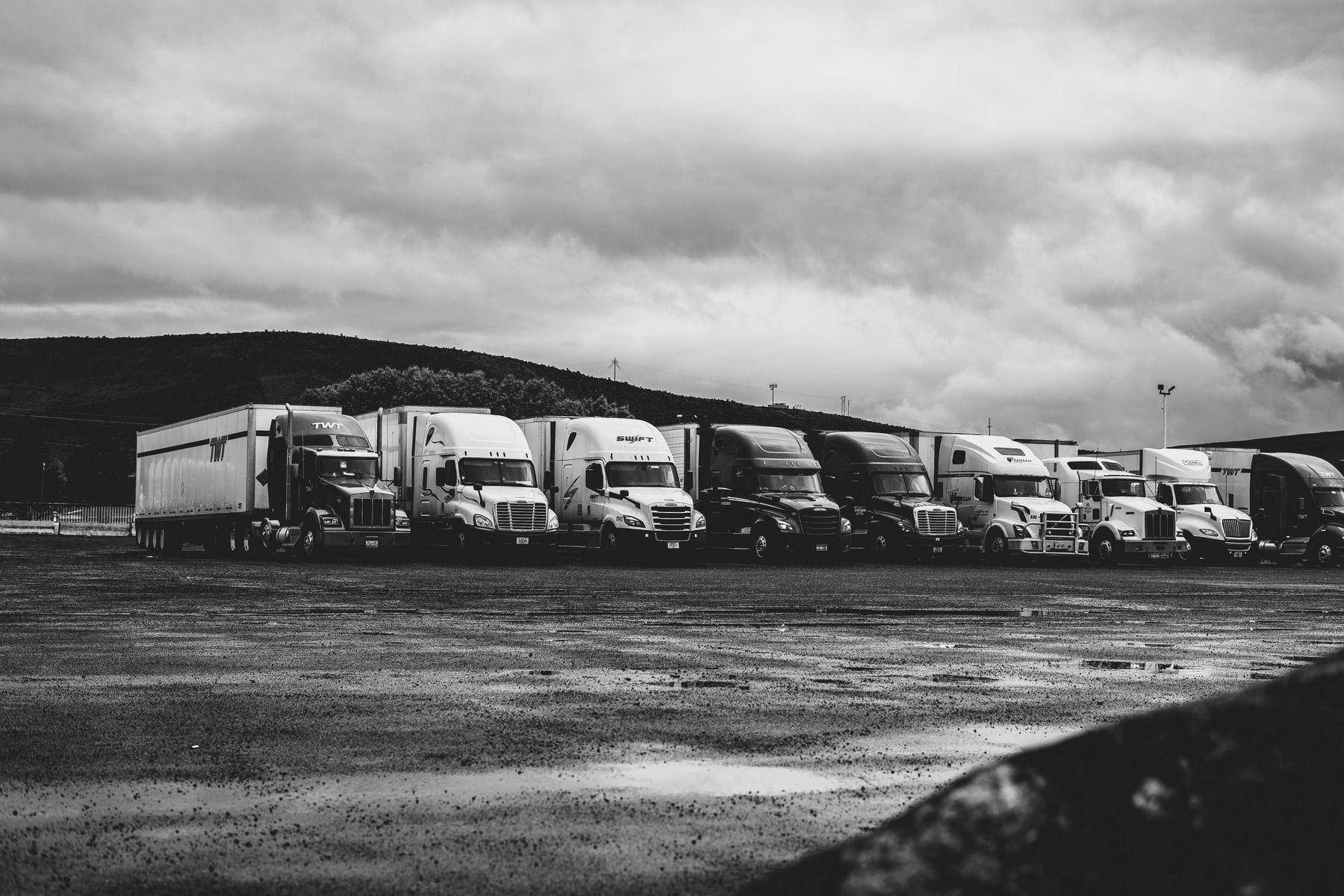
A refrigerated vehicle consists of a chassis, an insulated body and a refrigeration unit, and the three age at different rates. The age of one part does not show the remaining life of the other two. That is why three separate records are kept instead of one life figure.
Track the three components separately
| Component | Keep separate records for | Replacement or repair question |
|---|---|---|
| Chassis | Mileage, load, mechanical faults and use conditions | Is it mechanically reliable, and can it carry the new body? |
| Body | Panels, joints, doors and seals, floor, moisture and impact history | Are thermal performance and mounting points acceptable? |
| Unit | Model, operating mode, service and fault history | Do capacity, energy arrangement and service risk fit the route? |
Body age does not show insulation performance, and unit hours do not show remaining life. Thermo King's North American Certified Pre-Owned programme makes this concrete: a used truck unit qualifies with under 10,000 engine hours (23,000 for a trailer unit), then goes through testing, inspection and verification, is reconditioned and receives a warranty. The hour count is a threshold; the record of work done makes the decision. When buying a used unit, ask for that record next to the hour reading.
Put three cost horizons side by side
The first horizon is purchase and financing cash flow, the second is annual operating cost (service, tyres, energy, breakdown downtime, record keeping), the third is replacement or disposal. Accounting depreciation does not replace these cash flows.
For tax depreciation the Turkish Ministry of Finance table (VUK General Communiqué No. 333) lists 5 years (20%) for a heavy truck of 6 tonnes unladen weight and above, and 4 years (25%) for lighter trucks and vans up to 6 tonnes. As an example, an investment of 1,000,000 TRY, an assumed resale value of 200,000 TRY and a 5-year plan give (1,000,000 - 200,000) / 5 = 160,000 TRY per year of allocation. That amount is not extra cash paid in that year, and it changes as soon as the resale value or the number of years does.
Repair or replace?
| Decision input | Finding that supports repair | Finding that calls for a replacement or transfer review |
|---|---|---|
| Body | Limited, located damage; dry panel; repairable seal | Widespread moisture, structural or mounting damage, thermal performance that cannot be verified |
| Unit | Known fault, parts and service plan, adequate capacity | Capacity that does not cover the route load, recurring faults |
| Chassis | Mechanical condition and load limits fit | Weight, connections or axle load of the new body and unit do not fit |
| Records | Measurement, service and repair history traceable | Critical history missing, condition cannot be verified |
Moving a body to another chassis takes more than panels that look sound. Mounting feet, connections, centre of gravity, axle and gross loads, door and unit interfaces, and the electrical and condensation arrangements are checked against the vehicle and body drawings. For a dry-freight body or a different chassis, that check is made separately.
A passive container or eutectic plate option is not compared on purchase price alone either. Plate or container mass, freezing energy, preparation space, return and cleaning flow, route, closed time, monitoring and off-season storage are counted together; the result can come out cheaper than an active unit or dearer.
- record chassis mileage and mechanical condition
- update the body panel, floor, door and seal, moisture and impact file
- keep unit model, operating mode and service records apart
- work out annual operating cash flow separately from accounting allocation
- write down the technical-fit inputs for repair, replacement or body transfer
- attach measurements, photos, repair method and any required retest to the decision file
Component records show which part really needs renewing; the purchase year or total running hours cannot make that decision alone. Add fleet performance records and the refrigeration energy calculation to the comparison file.
