
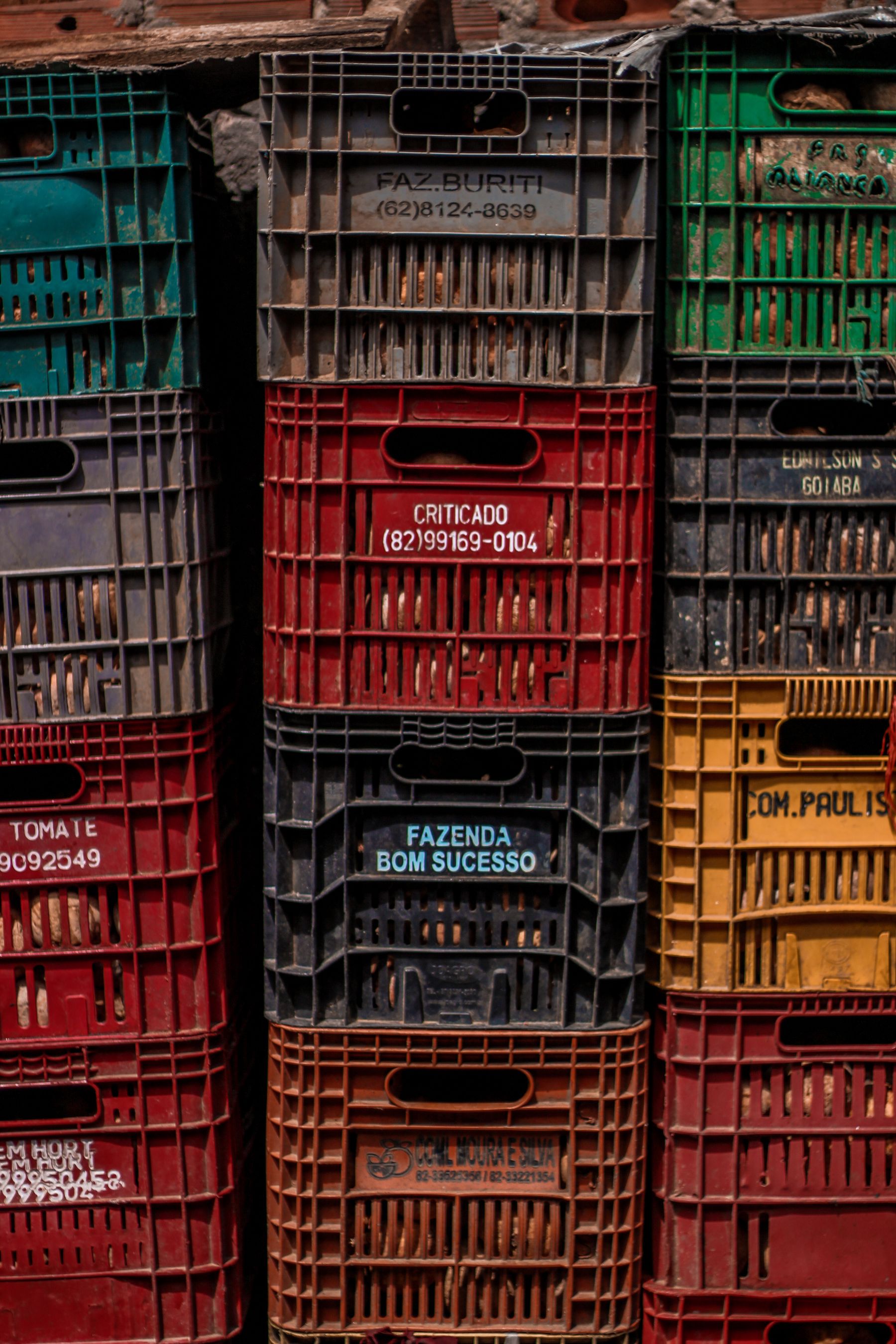
Net weight is the goods sold, tare is the container and packaging, and gross weight is the sum of the two. Whichever of the three the invoice rests on decides the charge, and where the basis is not written down the same scale ticket can turn into a different invoice every month. With reusable containers the tare is paid again on every trip.
| Transport | Basis of the charge | Effect of tare |
|---|---|---|
| Air | Higher of actual weight and volumetric weight (volume in cm3 / 6000) | A heavy or bulky container is direct cost |
| Road | The basis written in the contract | The vehicle weight limit can fill with container instead of product |
| Empty return | The basis written in the contract | Tare is the main load on the way back |
- Weigh the empty container on a calibrated scale and record container number, date, scale and ticket number; weigh the pallet and extra packaging separately. Do not carry an old tare over if the model or fittings change.
- Find the weight basis, the rounding rule and the pricing of the empty return in the contract.
- If a difference appears, place the scale ticket, load list and invoice inputs side by side, match them to container number and trip, and ask the carrier for the formula it used.

