
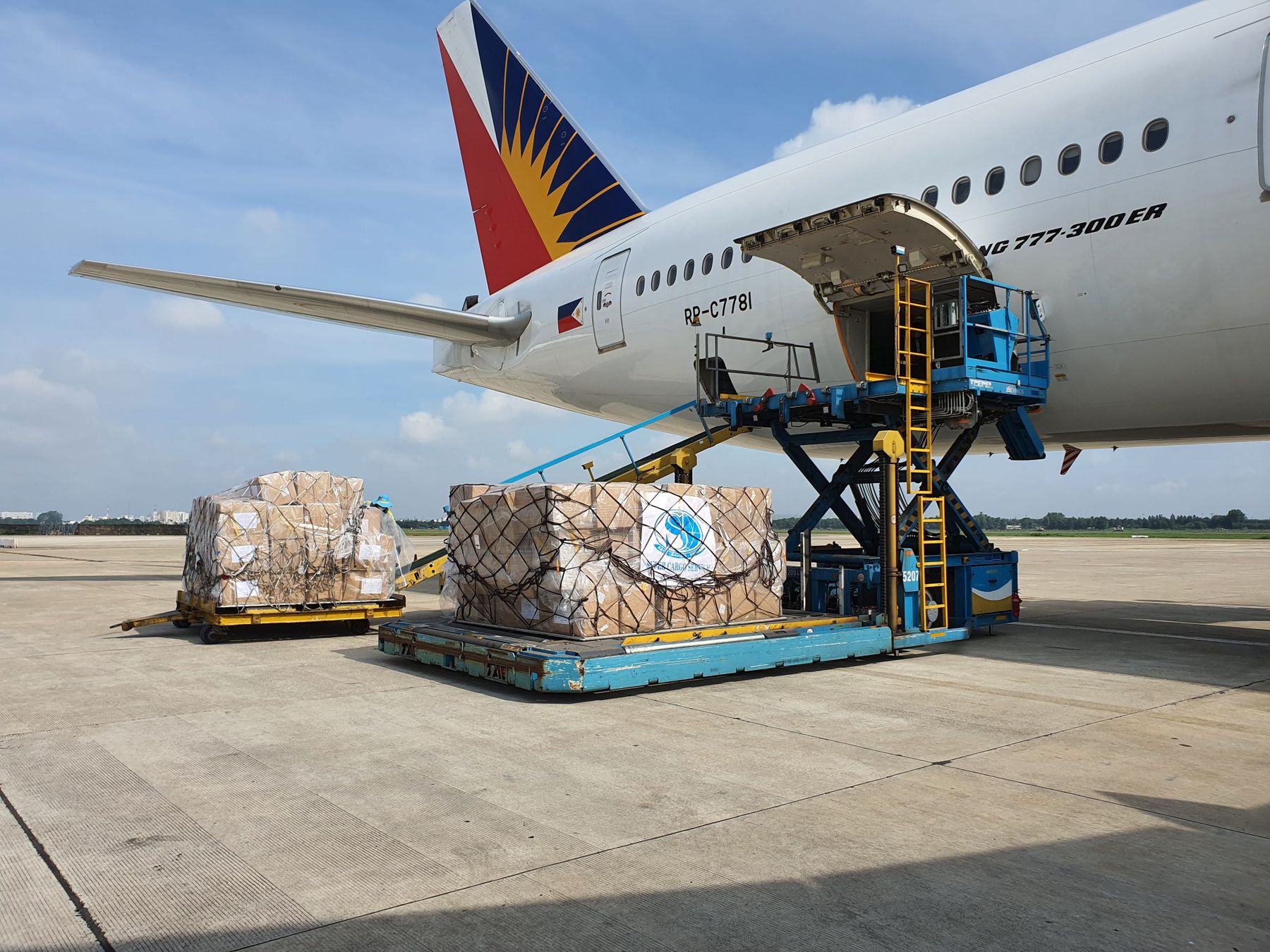
Fresh fruit, vegetables, meat and fish go to the Gulf by air because their shelf life cannot absorb a road trip. The flight is short, but a shipment's total time is the sum of acceptance, terminal waiting, loading, flight, unloading and customs; at a hot destination the riskiest minutes pass on the ground, on the apron and in the terminal.
- Bring the product down to its target temperature; warm product is not prepared for shipment
- Build packaging and pallet arrangement to the airline's current written acceptance conditions
- Put a logger beside the product, link it to the shipment and lot number and tell the consignee
- Plan the acceptance time as close to the flight as possible; a shipment prepared too early waits longer in the terminal
- Arrange the consignee's customs and delivery before departure
A thermal pallet cover is the first barrier against sun and hot air, but it is not a cooling system and only slows heat gain. The product's own pre-cooling and packaging decide the outcome; the performance of a cover or passive pack counts only if it has been tested on the route and load in question.
Dry ice can be used for frozen goods, but in air transport it is dangerous goods (UN1845). The package must be vented, the net weight of dry ice must be marked on it, the limit is 200 kg per package and airlines may add their own conditions; if these are learned only after preparation, the shipment can be refused.

