
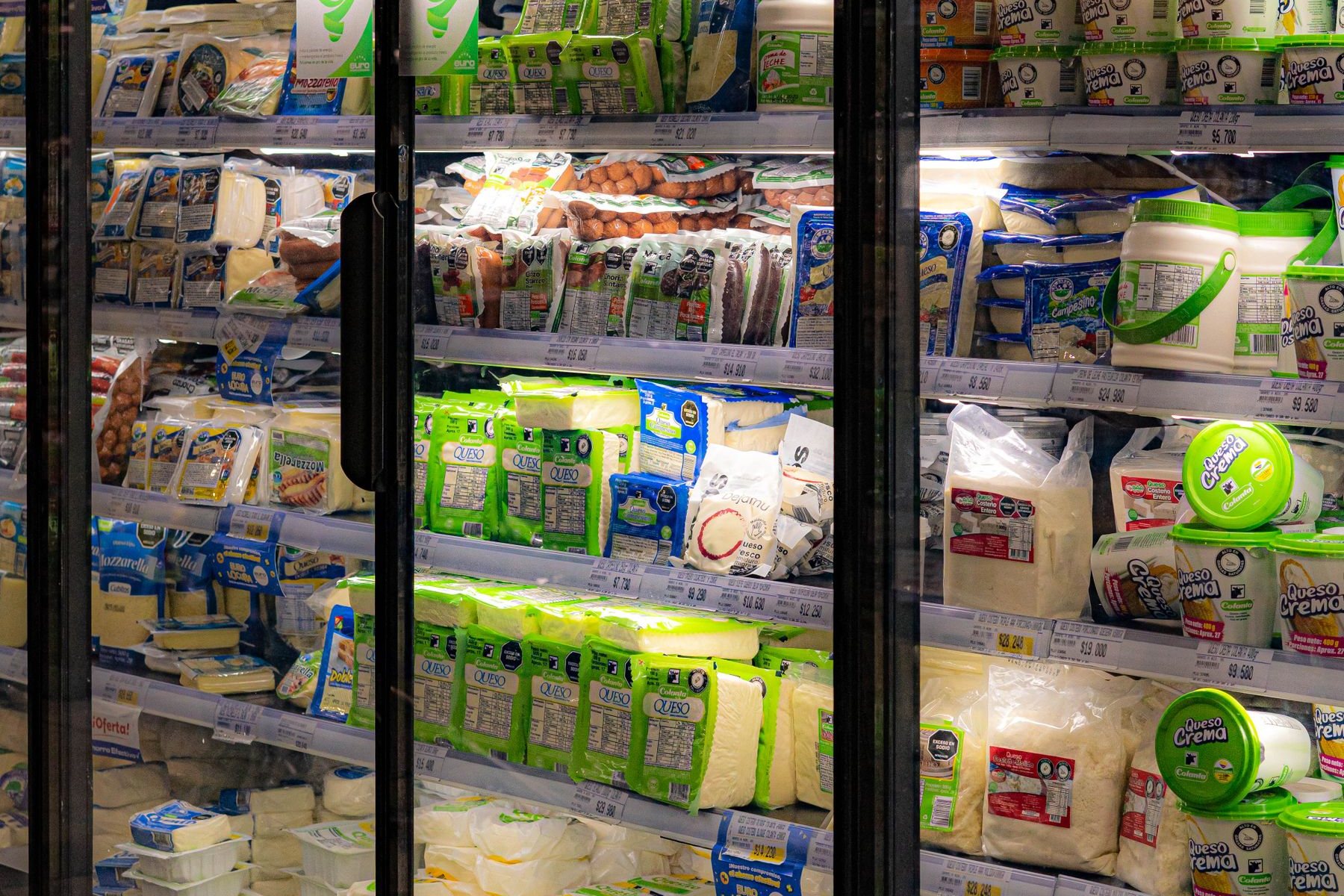
When a retail cabinet seems not to cool, a fault is the first suspect, yet the cabinet often produces cold that never reaches the product. Six causes are ruled out in order before calling service.
- Load line. In an open cabinet the cold air forms a curtain between the product and the room. Stack product above the line and the curtain breaks, leaving the top row effectively outside. The marking clause of ISO 23953-2 also covers the load limit.
- Air return. The rear return grille is where the air completes its circuit. If boxes or cardboard cover it, circulation stops, the system reduces its work because the return air looks cold, and the product warms.
- Condenser and filter. Once dust and dirt build up, heat cannot be rejected and the cabinet loses capacity.
- Door, seal and night blind. A door that does not close fully, a worn seal and an unused night blind waste the cold.
- Defrost and drainage. Icing and standing water narrow the airflow.
- Ambient. Cabinets are tested by class: 25 °C and 60% humidity for class 3, 30 °C and 55% for class 4, 40 °C and 40% for class 5. A cabinet beside an entrance door or facing an air-conditioning outlet can end up outside its class.
Telling service "the cabinet is not cooling" helps less than giving the product core temperature (by probe), the cabinet display reading and the store temperature. Cabinet air is not recorded as a product reading; where the product limit may have been exceeded, the product is removed from sale.
