
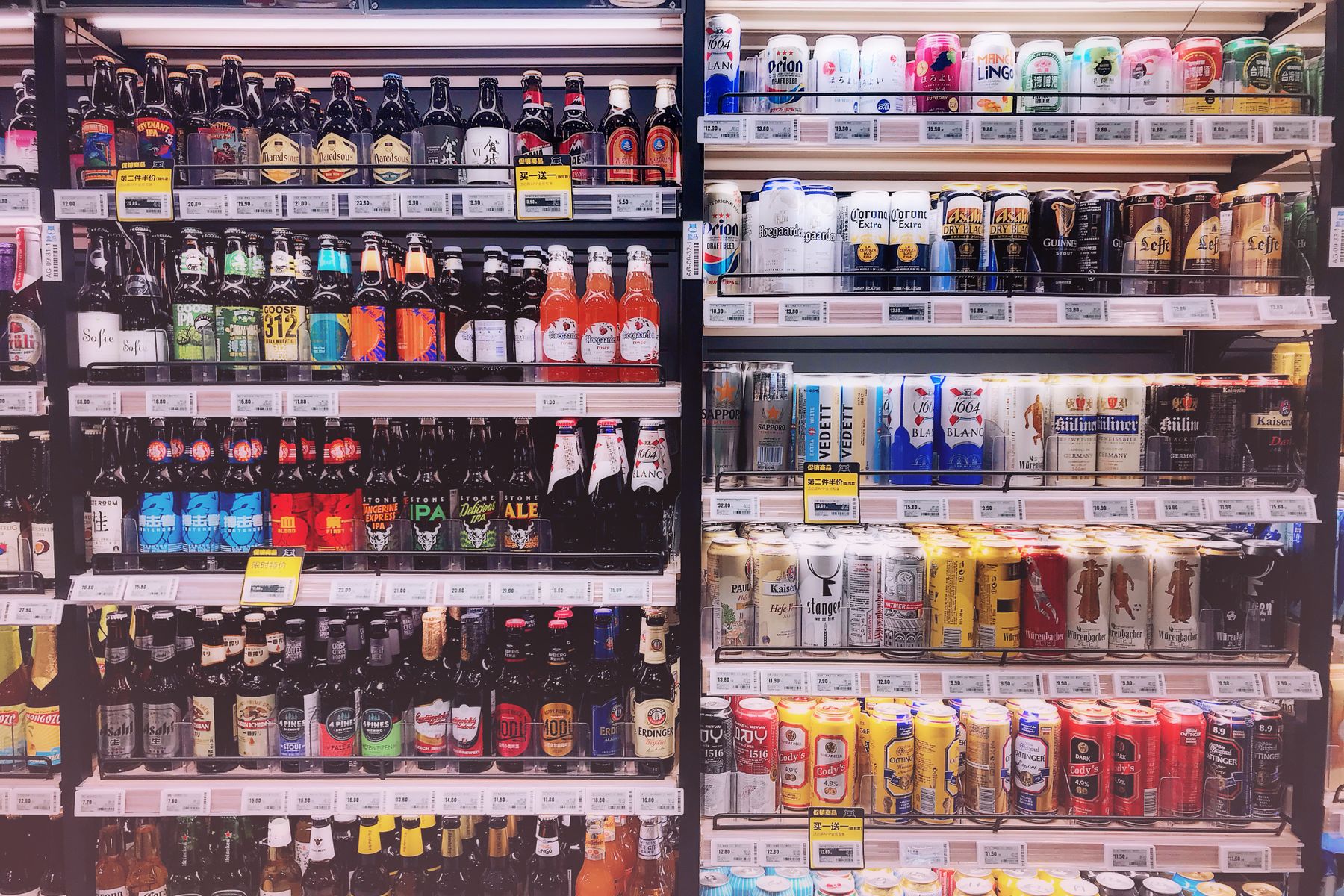
On a dry shelf the planogram follows turnover and margin: best sellers at eye level, promotions at the end cap. In a chilled cabinet that logic is not enough, because the temperature difference between levels is large; in an experiment on an open cabinet, even with the shelf aperture at its best value (25 per cent), the smallest difference inside the cabinet stayed at 4.3 °C (Xia et al., 2022).
| ISO 23953-2 class | Warmest package | Coldest package |
|---|---|---|
| M0 | +4 °C or below | -1 °C or above |
| M1 | +5 °C or below | -1 °C or above |
| M2 | +7 °C or below | -1 °C or above |
The class guarantees that limit only below the load line and in the test arrangement. Sensitive products such as fresh meat, fish and ready meals go to the zone measured as most stable, while robust ones such as drinks and packed cheese can sit at the edges. Where a sales target clashes with temperature, temperature decides, because spoiled goods do not sell.
The standard requires the load limits to be marked on the cabinet. Goods above the line disturb the airflow and warm the shelf; the urge to fill shelves before a holiday breaks this rule more than anything else, and the result shows up as markdown a day later. Putting new stock at the front keeps the older batch waiting until it expires, so the replenishment order (FEFO) is written as part of the planogram. Change the shelf height or product group and the airflow changes with it; watch the temperature record through the first week after the reset.