
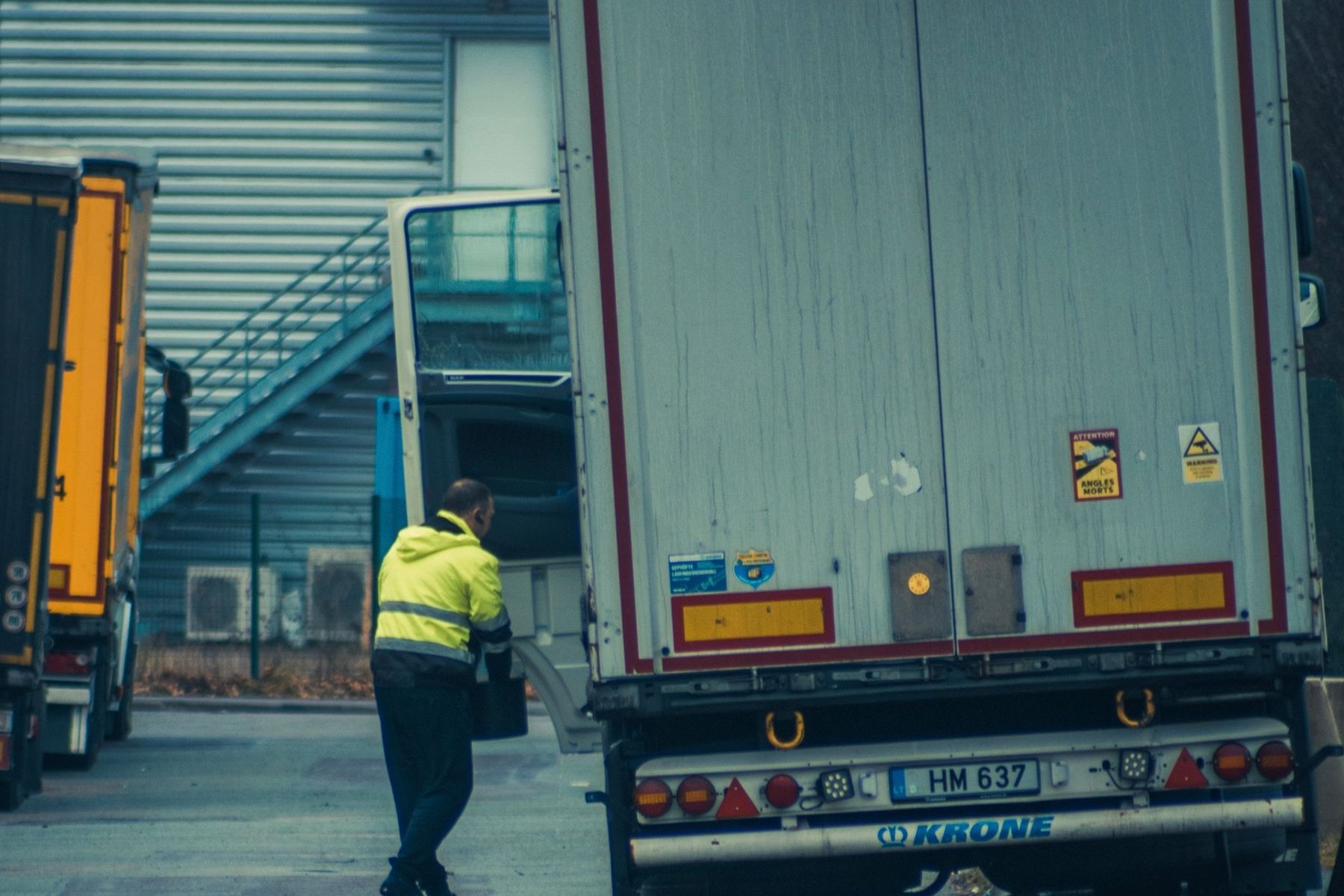
In most fleets vehicle handover runs on fuel, tyres and paperwork. On a vehicle carrying a cold load that list stops halfway: the state of the container, whether the plate is in place and whether the lid closes belong to the same handover.
Why the order has to be fixed
Running the check in the same direction every day, outside in, makes the skipped step visible. When the order changes from person to person the missing step goes unnoticed: the driver looks where habit takes them and passes a different point each time.
- The outside of the container: impact marks, a cracked castor, a bent lock panel.
- Lid and gasket: dents, a torn seal, any residue that stops it closing.
- Inner surface: dry, clean, no box or label left from the previous run.
- Plate: fitted, seated in its rail, dry on the surface.
- Document pocket: does the delivery note match this container number.
At the fourth step the plate looks to be in place, but it may not have seated fully in its rail, or it may have just come out of the freezer with a damp surface. Both are noticed only after the vehicle has left, so see for yourself that the plate is in its rail and dry.
| Step | What to look for | If it is skipped |
|---|---|---|
| Outer body | Impact, broken castor | The damage lands on the next driver |
| Lid and gasket | Dent, tear, residue | The lid does not close fully |
| Inner surface | Damp, residue, forgotten goods | The cleaning sequence breaks |
| Plate | Seating, dryness | Cooling starts short |
| Document pocket | Matching number | The record goes to another container |
Who signs the handover. When handover is verbal, the moment damage occurred stays arguable. A two-line handover note carrying the container number and the fault seen, with one signature, closes that. The note stays in the vehicle, not in the driver's pocket; a signature confirms the record and does not by itself settle each party's liability.
