
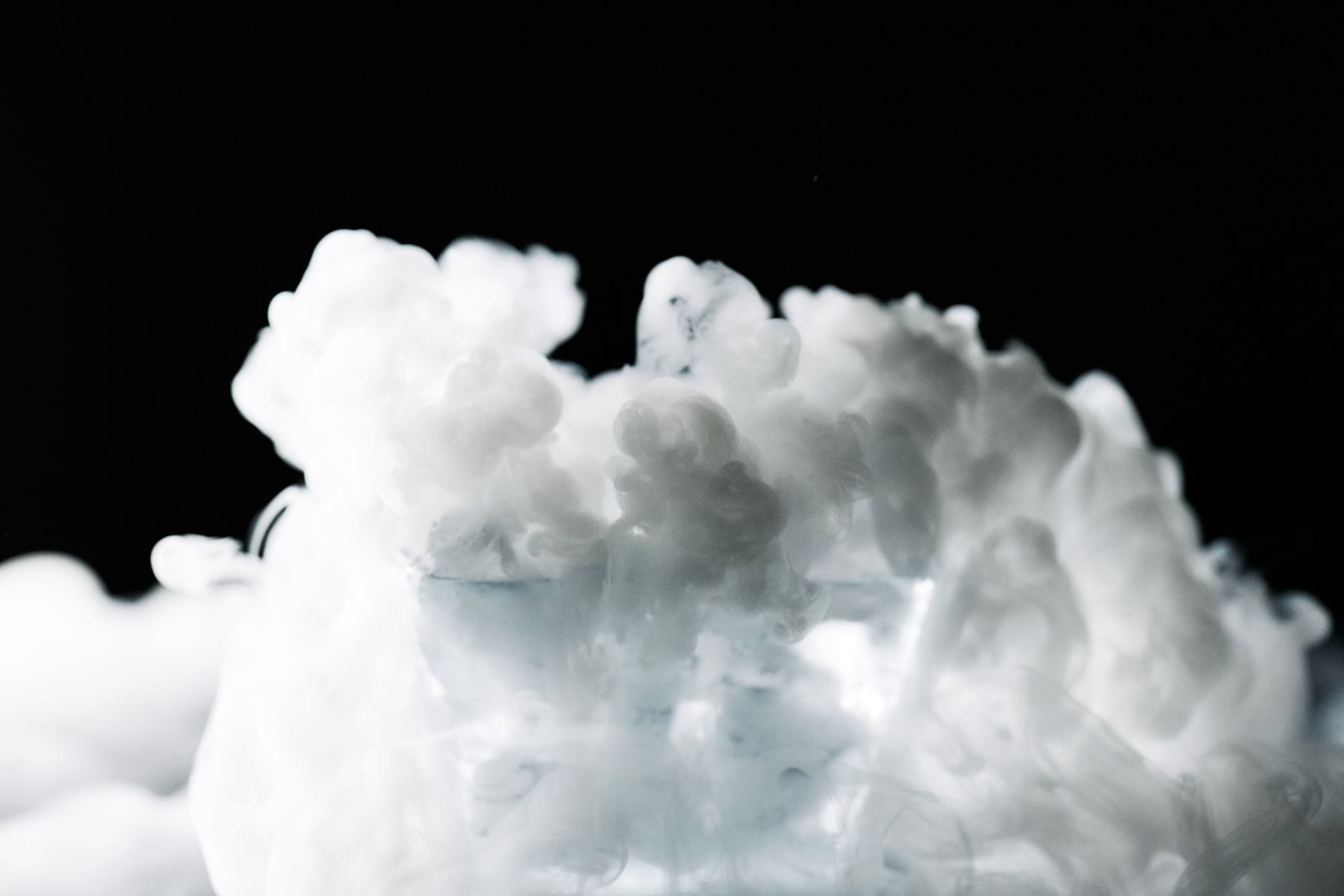
Are sublimation and phase change the same thing? Sublimation is one kind of phase change: a substance goes from solid straight to gas without a liquid stage. Dry ice does this at -78.5 °C, leaves no liquid behind and is used up. The term phase change also covers solid-liquid and liquid-gas transitions.
The transition in a eutectic plate is between solid and liquid. GEBHARDT supplies plates with a non-toxic brine filling and melting points of -3, -14, -18 and -21 °C; while the filling melts it absorbs heat at that point. A plate is frozen again and reused, whereas dry ice is bought again every time.
That difference has two consequences in the container. Dry ice gives a temperature far below any chosen melting point, so it carries a risk of local freezing near fresh product and needs ventilation because it releases gas. A plate works at the melting point you select for a fresh or frozen load and produces no gas.
In the GEBHARDT Isotec TBX the plates sit on rails, a separate tray is used for dry ice, and the container holds the cold chain for up to 24 hours with either. Plates are frozen completely before use at least 5 °C below their melting point: -8 °C for a -3 °C plate, -26 °C for a -21 °C plate.


