
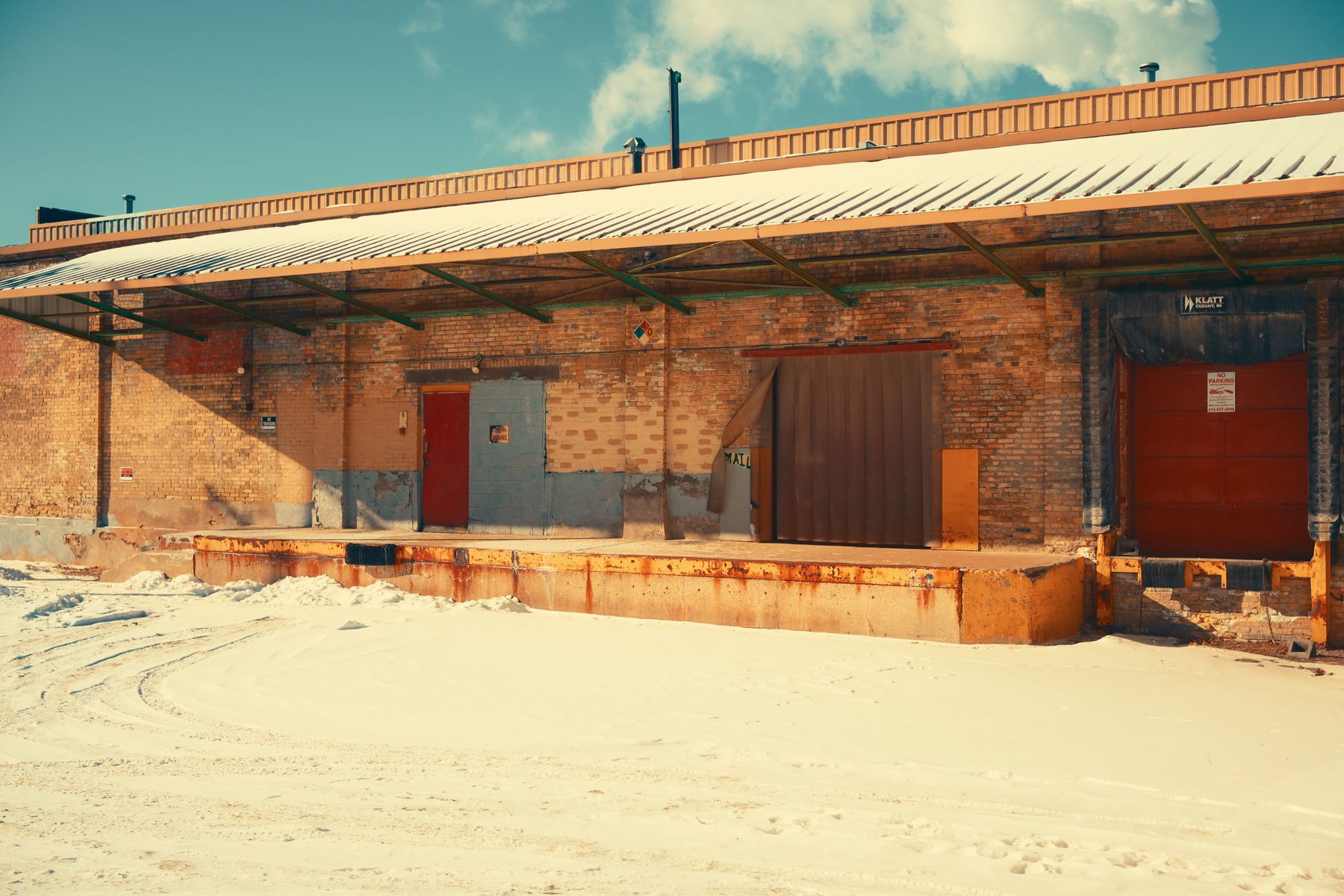
The floor of a plate room and a wash bay is wet, and at a cold-store entrance meltwater freezes; the same shoe behaves differently on each surface.
| Surface | Problem | What to look for |
|---|---|---|
| Wet concrete, wash bay | Slipping | Under EN ISO 20345:2022 every protective shoe passes a slip test on ceramic tile with detergent solution; shoes that also pass a glycerol test may carry the SR mark |
| Iced entrance | Slipping and falling | The tests are not run on ice, so the fix is at the floor |
| Cold dry floor | Cold feet | CI mark: in a -17 °C cabinet the inside surface of the sole cools by no more than 10 °C |
Someone slipping reaches for balance with their arms, and holding a plate they cannot. The route for carrying plates is therefore planned to avoid the riskiest floors. Water usually collects in the same places; marking the front of the cabinet, the wash-bay outlet and the dock threshold on a shift map and correcting drainage and fall there is the lasting fix.
The employer chooses the footwear from the risk assessment, provides it free and maintains it according to the instructions for use (Turkish Regulation on Personal Protective Equipment at Workplaces, Articles 6 and 7). A worn sole loses grip, so monitor it against the replacement criterion in those instructions. In a food area footwear is also a hygiene matter: soles from outside carry dirt into the clean area, and changing footwear at the entrance prevents it.
