
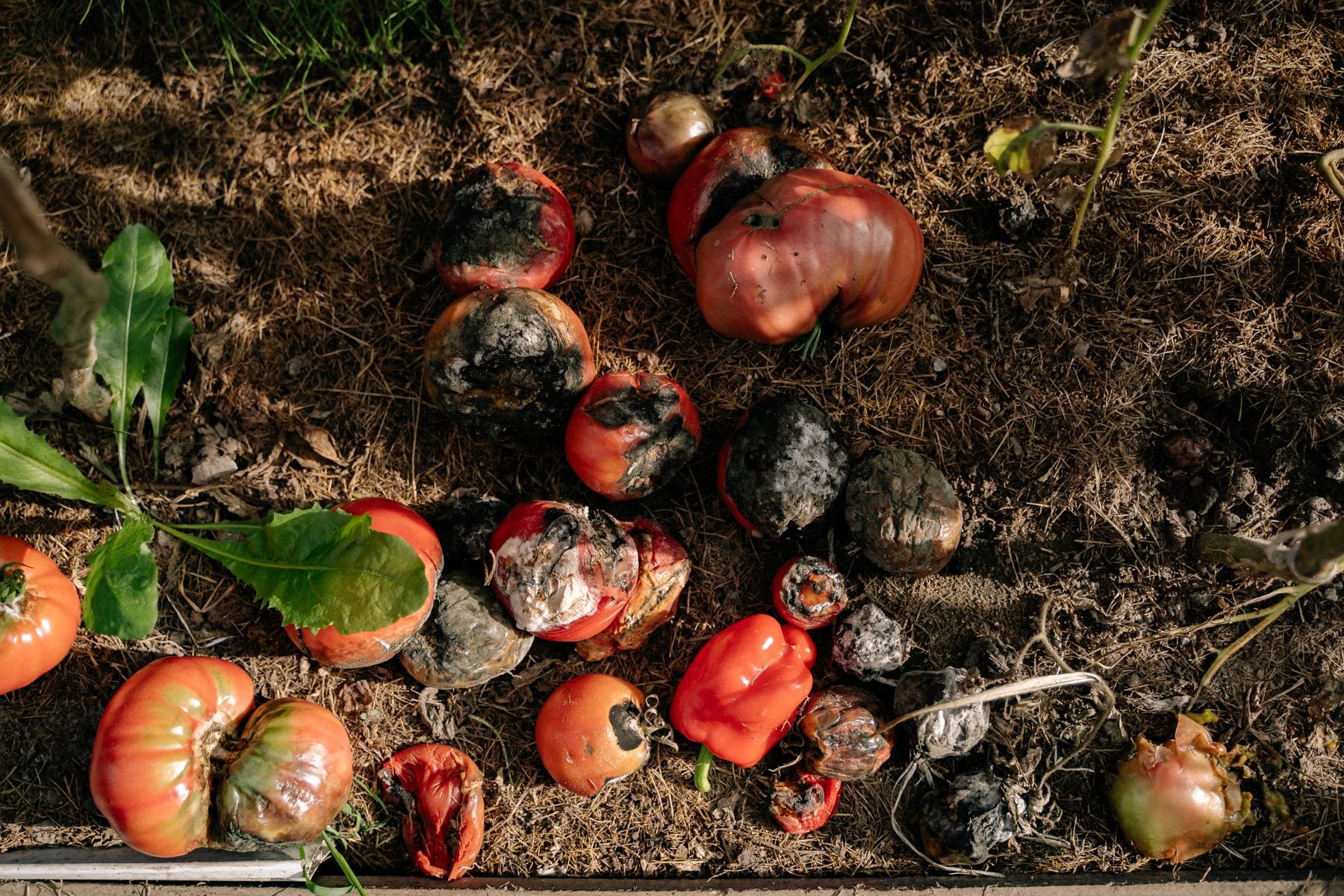
UNEP reports 1.05 billion tonnes of food waste in 2022, including inedible parts. Separately, food loss and waste are estimated to account for 8 to 10 per cent of annual global greenhouse gas emissions. These are different measures.
Make waste measurable
Record product, weight, supply-chain stage, date and known cause. Keep discarded food separate from returns, quality downgrade and discounted sale.
Set the carbon-accounting scope
If using a published emission factor, check that product type, geography, process and life-cycle boundary match your data. Include the source and assumptions in the report.
Test the cold-chain contribution
Compare products where only the cooling arrangement changed; align volume, period and product mix. Note any changes in weather or sales too.
Report the footprint of discarded product alongside the quantity of waste reduced and the source of the factor. Do not claim the equipment alone caused the change.
Make a supportable claim
Report a measured change in loss only when your records support it. Calculate carbon reduction separately and explain the method; do not assume every discarded pallet has the same impact.

