
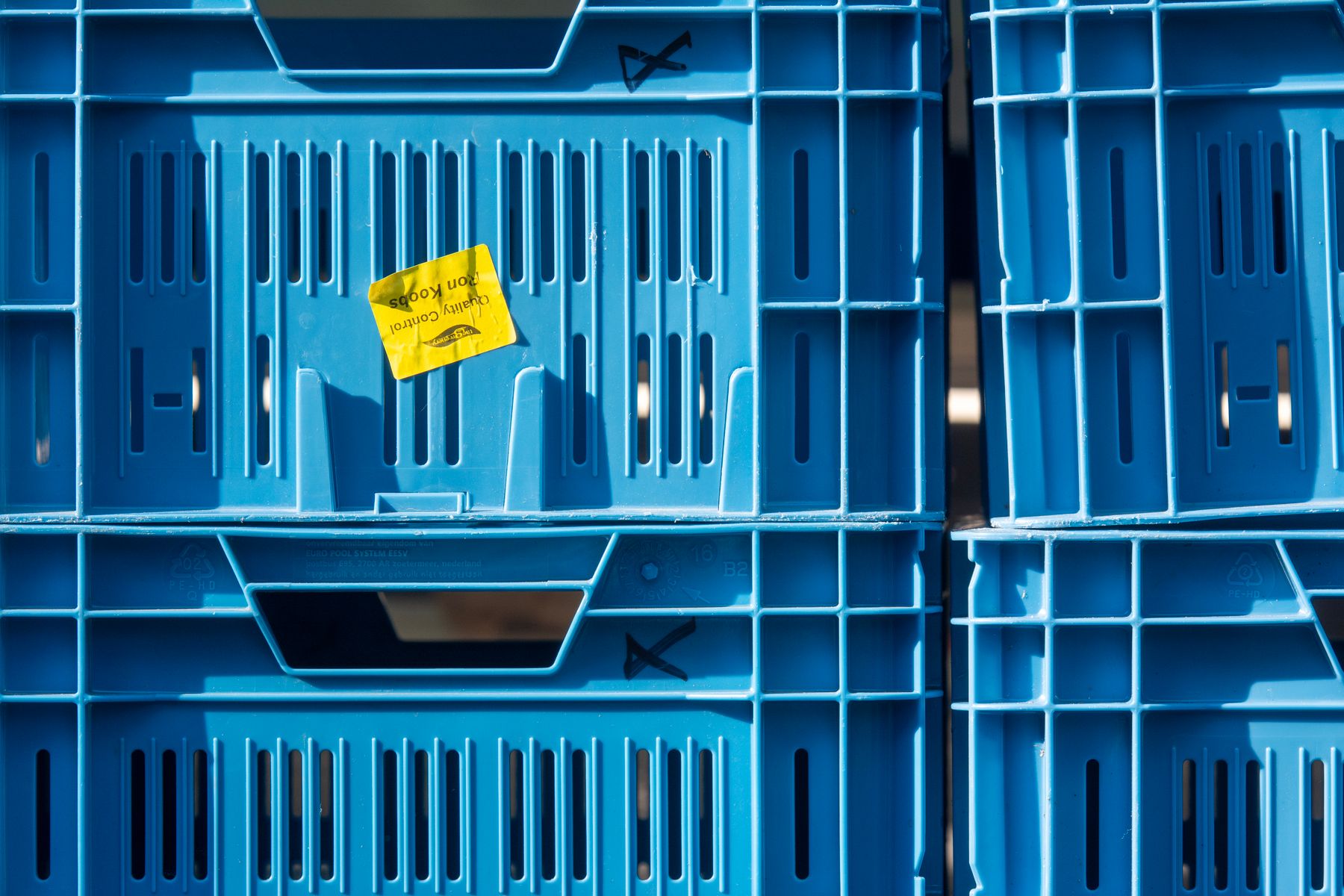
New, EPP and EPS do the same job; the difference shows up in repeated use, not on the first trip. JSP describes its ARPRO EPP foam as a material that withstands multiple impacts without damage and reforms to its original shape. EPS takes an impact by crushing its cells, and the crushed area does not protect as well on the next trip.
So the number of trips a container will make decides the choice. If the container stays with the customer and never returns, cheaper EPS is right. If it comes back every day, the durable material moves ahead quickly in cost per trip.
| Container | Price | Washing and repair | Trips | Per trip |
|---|---|---|---|---|
| Returnable EPP (hypothetical) | 60 | 40 | 40 | 2.5 |
| One-way EPS (hypothetical) | 12 | 0 | 1 | 12 |
The numbers in the table are illustrative values to show the formula: cost per trip is container price plus washing and repair, divided by completed trips. Containers that never return shrink the trip count in the denominator; a calculation made without measuring the loss rate makes the durable material look cheaper than it is.
Most operations end up with both: returnable, washable containers on daily distribution rounds and boxes that will not come back on one-way parcel shipments. Settle wash-temperature resistance and food-contact suitability in writing with the supplier of the container you choose.

