
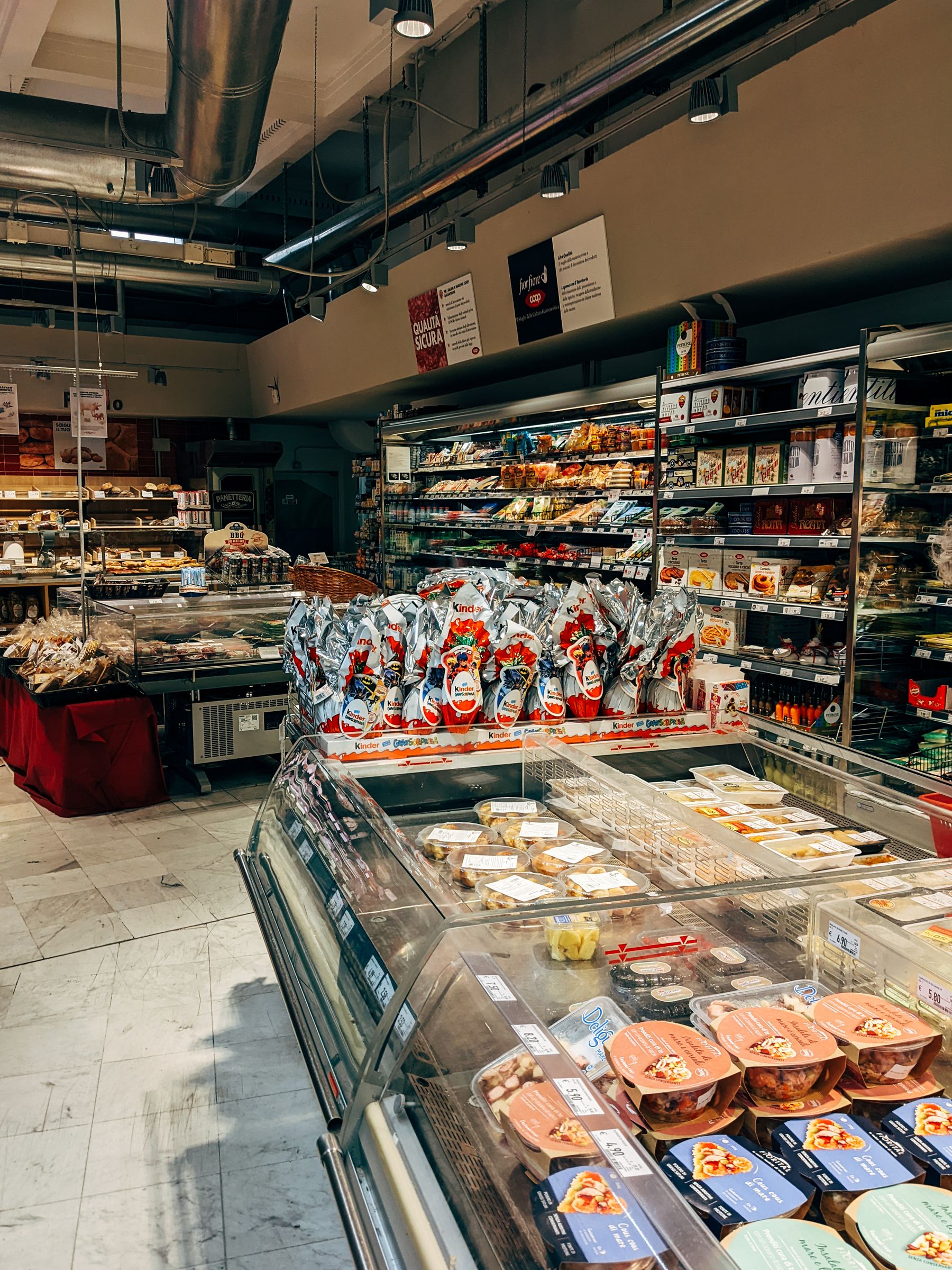
In contract manufacturing your name is on the label and the production is in someone else's plant; when the cold chain breaks, the consumer blames the brand. In law too the contract does not hand the burden over: Article 22 of Law No. 5996 obliges a food operator to meet and verify the requirements at every stage of its own activity, and an operator that sells or distributes a product to start its recall at once if it proves non-compliant. Article 24 requires a traceability system at every stage from production to distribution.
Five clauses for the contract
- Cooling time after production and target temperature
- Storage conditions until dispatch and the duty to keep records
- Who carries out dispatch and with what equipment
- How and how often records reach the brand
- The duty to notify a deviation, and the deadline
At every physical handover match product and lot, quantity, date and time, seal or packaging condition, temperature record, and the person giving and the person receiving. A signature alone does not show the product met its conditions; measurement and lot records are needed. Even if the record is kept at the contract manufacturer, the brand must be able to reach it; a record delivered regularly rather than on request makes it possible to look back when something goes wrong.
An audit right in the contract gains value as it is used: on an annual visit the place to look is not the production line but the area where product waits after leaving it. If a deviation occurs, the product is quarantined and who decides its release has been written down in advance.

