
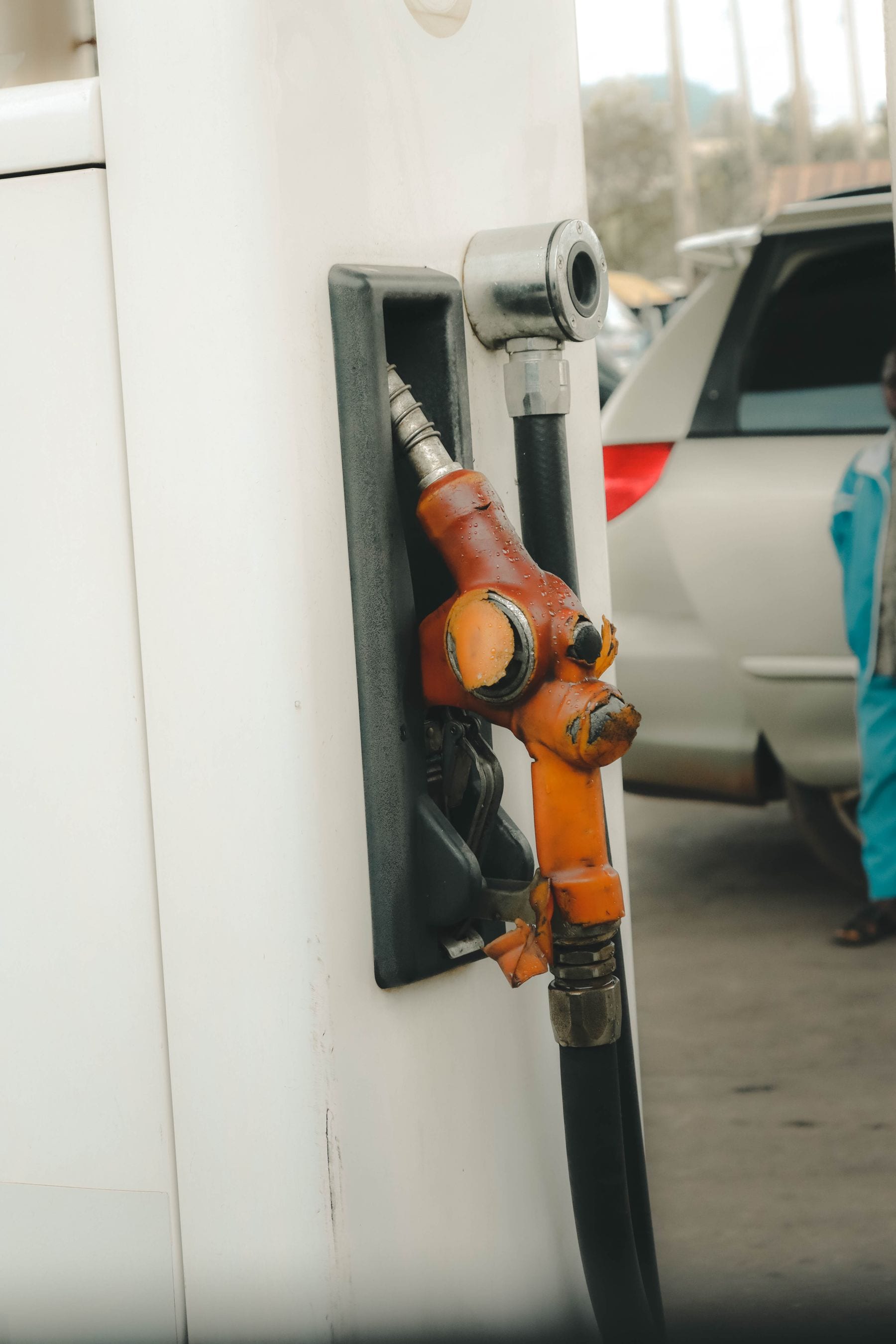
An independent diesel refrigeration unit burns about two litres an hour. In a 2021 report by Zemo Partnership for Transport Scotland, two diesel units were measured: the unit on a semitrailer burned 1.8 litres an hour on the annual average and the unit on a 26-tonne three-axle rigid burned 2.3. Tests ran in chilled mode at 2 °C and frozen mode at -15/-20 °C, at ambient temperatures of 5 and 15 °C. The units dated from 2014 and 2016, and the report does not assume that products made since 2019 will give the same figure.
These figures are per operating hour. Eight hours of running comes to roughly 14 litres on the semitrailer and 18 on the rigid. Mode and ambient temperature move the number: in frozen mode the semitrailer unit burned 2.0 litres an hour at 15 °C and 1.7 at 5 °C. In start-stop mode it burned clearly less at steady state, but the inside temperature averaged -13 °C instead of the -20 °C setpoint.
A direct-drive unit, whose compressor runs off the vehicle engine (the Thermo King V-800, for example), has no tank of its own; its fuel disappears into the vehicle's total. Where an electric standby connection exists, the energy for those hours is metered in kWh. To find the unit's share in your own fleet, match each indicator to its source.
| Measurement source | Indicator | Limit of interpretation |
|---|---|---|
| Fuel and operating hours of the unit itself | Litres / hours = L/h | Same period and same definition of hours |
| Shared tank and route kilometres | Litres / km x 100 = L/100 km | Does not separate the unit's share |
| Energy meter on the standby connection | End - start = kWh | Check whether other loads share the meter |
| Allocation by assumption | Estimated share | Not reported as a measurement |
Example: 10.8 litres measured on the unit alone over 6 hours of running is 1.8 L/h. If a shared tank shows 72 litres over 240 km, the result is 30 L/100 km, and the unit's share cannot be derived from the two. If a standby meter rises from 1,180 kWh to 1,204 kWh, the difference is 24 kWh; multiplying the label kW rating by hours is not a measurement unless the drawn power is constant.
According to the Thermo King Precedent operator manual, in Cycle-Sentry mode the unit starts and stops by itself to hold the setpoint, keep the engine warm and the battery charged; in Continuous mode it runs non-stop for the setpoint and constant airflow. Put the selected mode, loading temperature, total door-open time and outside temperature on the same line as the meter readings; those records show why two trips differ, and comparing by switching cooling off is not a test. For preparation see the pre-cooling guide, and for the vehicle's total cost see the real cost of a refrigerated vehicle.

