
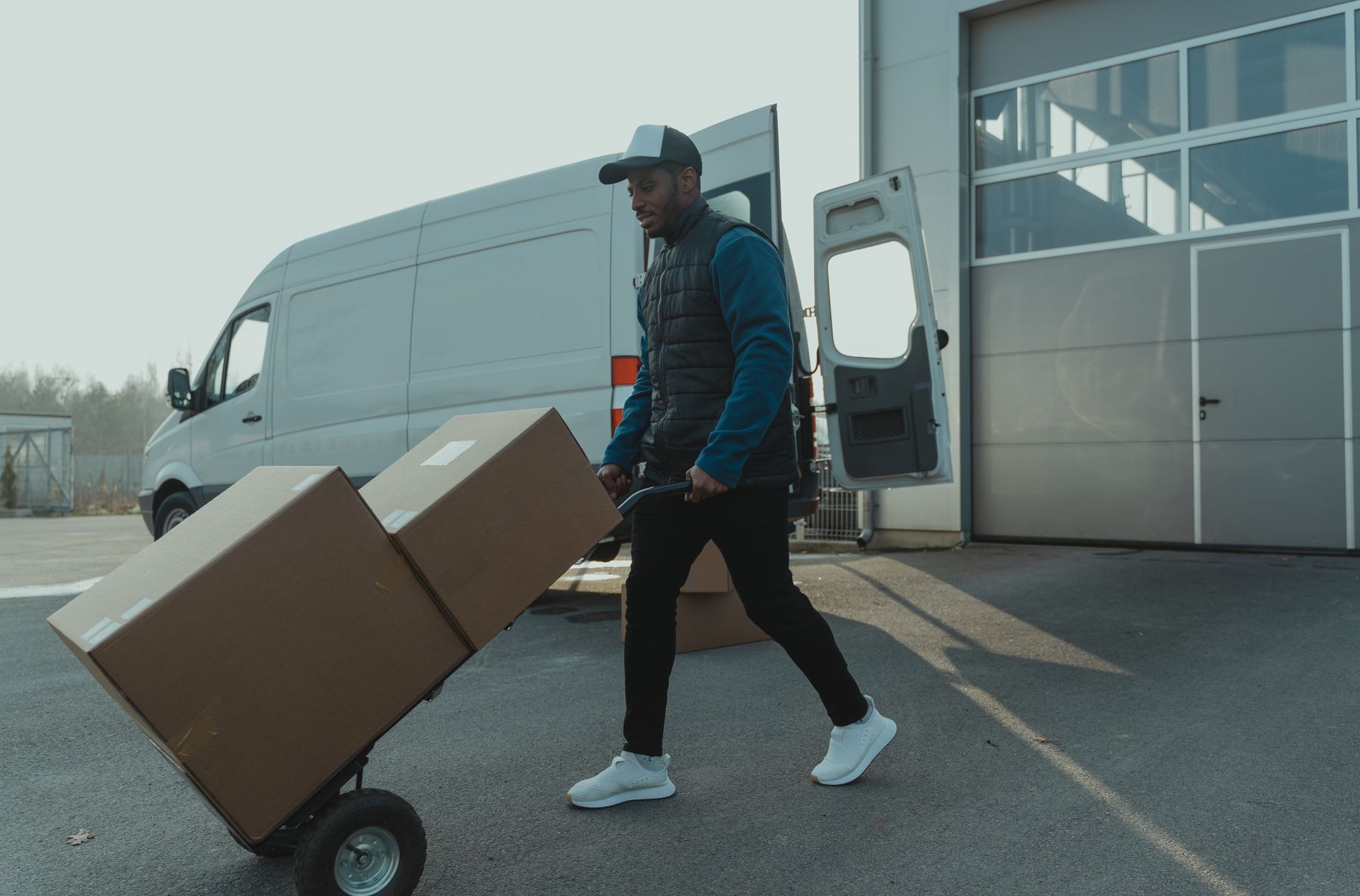
Whether a store needs a trolley or a container depends on the route and product. Decide with a short comparison that includes actual waiting and cleaning conditions, not an assumption.
Compare like with like
| Measure | Open trolley | Closed or insulated container |
|---|---|---|
| Product access | Quick loading | Adds a lid step |
| Waiting and exposure | Open to surroundings | May offer protection; measure |
| Cleaning | Inspect contact surfaces | Inspect inner surfaces, lid and joints |
| Route | Turns and clearance | Capacity and manoeuvring space |
Measure your own route. Observe several normal trips with the same product group and a comparable load. Record elapsed time from start to shelf, waits, openings and readings from a suitably placed product or load sensor. Review a delayed trip as well as the average.
Check cleaning and load separation
For each unit, observe cleaning steps, drying and time until reuse. Plan dividers or separate runs for raw and ready-to-eat products; changing equipment alone does not resolve mixed-load handling.
The right choice is what you can keep protective and clean on the measured route.
Run a small trial
Test each option under the same shift and load conditions. Record elapsed time, temperature trend, stops, cleaning labour and handling problems. Repeat the comparison when the route or product changes.
Decision record
Product and representative load
Route, trip time and waiting
Sensor location and temperature record
Cleaning steps and responsible person


