
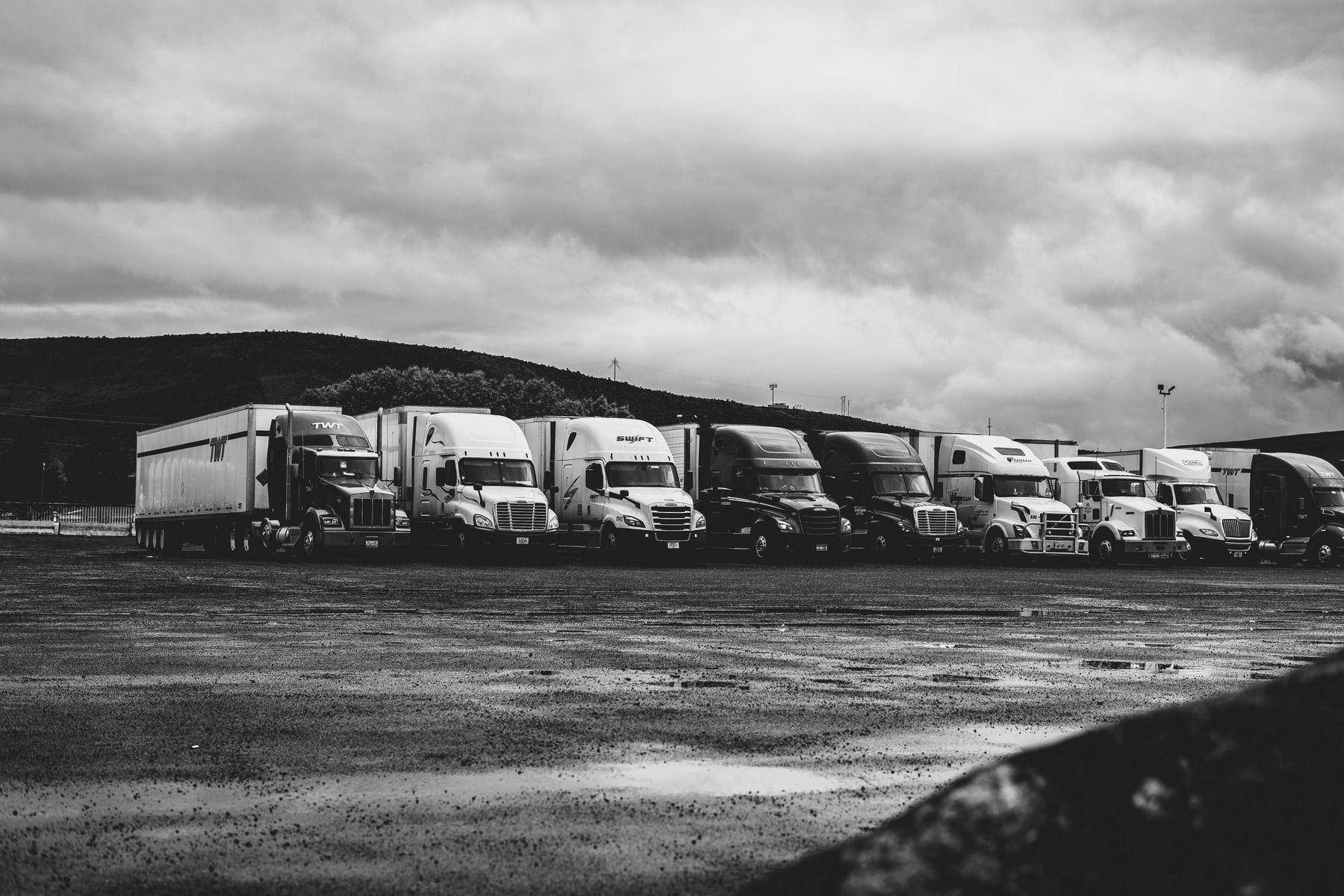
Wind affects convective heat exchange at a surface; heat-flow direction depends on surface and ambient conditions. This does not mean the product cools at the same rate.
Record conditions together. Along the route, note ambient air, surface temperature, sun or shade and wind exposure. Keep the surface measurement separate from the product-zone sensor.
Compare transport arrangements. Test exposed and sheltered transport only with the same load, starting condition and route. Keep sensor location and lid openings consistent.
Match the trace to the load
Compare timestamped product readings with stops and waiting records. A change coinciding with wind alone does not prove cause and effect.
Decide for the product
Verify product acceptance conditions in its documentation or procedure. If the test conditions do not cover another route or load, do not generalise the result.

