
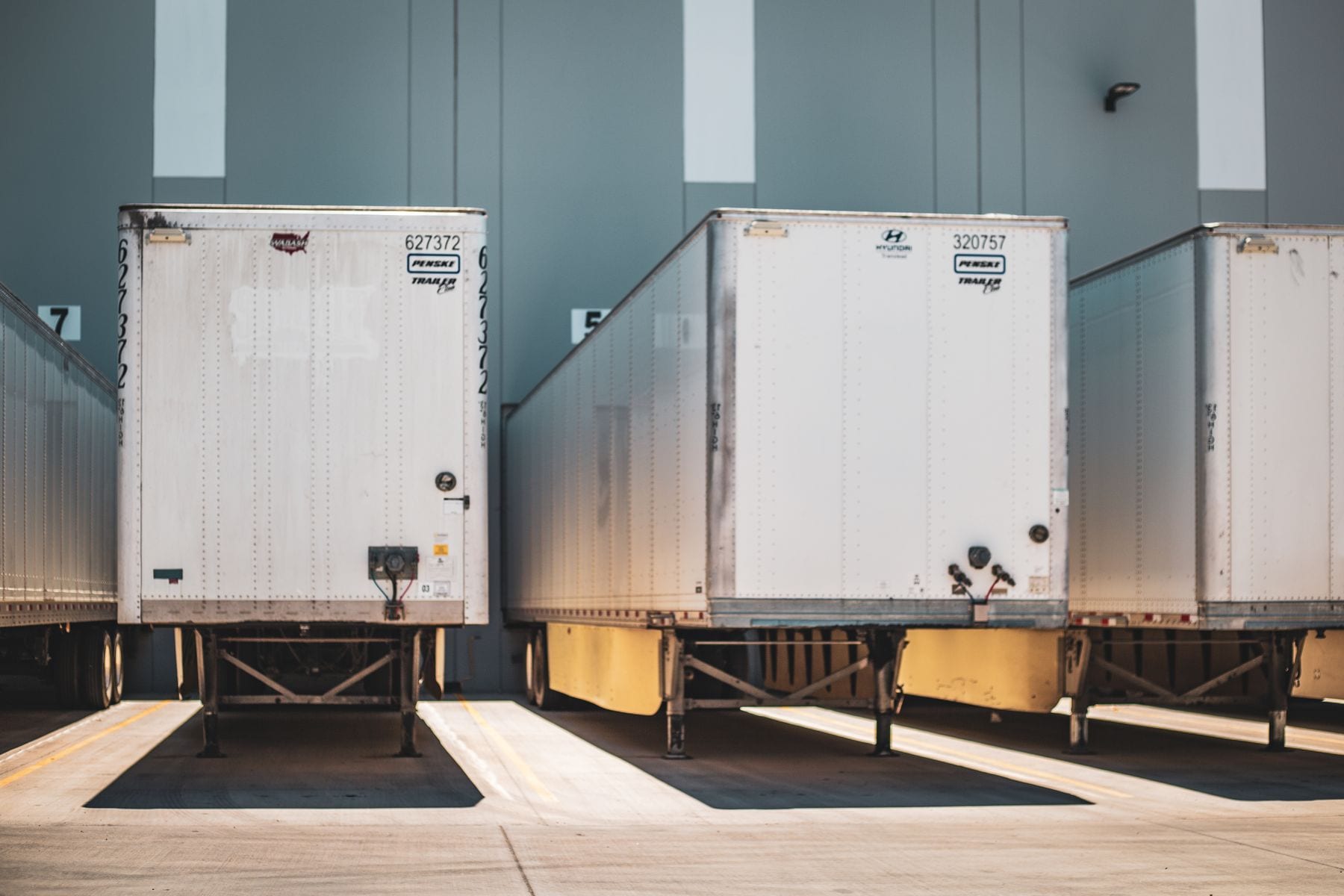
The Turkish Ministry of National Education's Refrigerated Vehicle Selection module defines a refrigerated vehicle as one whose load compartment has its walls, roof, floor and doors insulated to keep heat transfer to a minimum and is fitted with a mechanical vapour-compression refrigeration unit. If either half is weak the other cannot make up for it: a strong unit on a poorly insulated body runs non-stop and still misses its target.
What do frigorifik, frigofirik, frigo and frigolu araç mean?
Frigorifik is an adjective borrowed from French; the TDK dictionary defines it as soğutucu, with frigorifik vagon (a refrigerated railway wagon) as its example. A frigofirik araç and a frigolu araç are other names for the same vehicle. Frigofirik is a widely used spelling that the TDK dictionary does not list (its entry is frigorifik), frigo is the colloquial French shortening of frigorifique, in the transport trade the word is also used for a vehicle's refrigeration system, and a frigolu araç is a vehicle that has one.
| Name used | Meaning | Question for the buyer |
|---|---|---|
| Frigorifik araç, frigofirik araç | General term for an insulated body with active refrigeration; the second is a common spelling of the same name | What goods, target band and number of stops? |
| Frigo araç, frigolu araç | Market shorthand; it does not stand in for a body class or performance certificate | Are body, unit and test scope written in the quote? |
| Frigorifik kamyon | A rigid truck chassis carrying a fixed refrigerated body | Are net dimensions and payload checked against chassis limits? |
| Frigo tır | A long, many-axle refrigerated lorry usually used in international road haulage (the TDK definition of tır) | Do the unit's power supply and service access suit the long-haul plan? |
A panel van, a light truck, a rigid truck body and a trailer all sit in the same refrigerated family, but door traffic, usable volume, power supply and service access differ. The word frigo in an advert does not make these vehicles equivalent; ask for the vehicle class, body drawing and exact unit model in the same proposal. The difference between a refrigerated vehicle and an insulated or chilled one is covered in refrigerated, insulated and chilled vehicles compared, the structure of the body in what a refrigerated body is made of, and the panel van conversion in refrigerated conversion for vans and small vehicles.
What a frigolu vehicle carries
A refrigerated vehicle carries temperature-sensitive goods such as food, medicines and vaccines without breaking the cold chain. For small loads delivered quickly within a city, panel van and light truck types are used. Which product travels at what temperature is covered in what temperature a refrigerated vehicle should be set to.
How does a frigolu vehicle work?. The unit does not make cold; it carries the heat it takes from the inside air and surfaces out of the body. A compressor, condenser, expansion valve and evaporator form a closed circuit in which the refrigerant picks up heat at the evaporator and releases it at the condenser.
The vehicle is built to hold product that is loaded at its target temperature, not to pull warm product down. Unchilled loads, fill level, blocked air paths and door openings therefore show up in the record even if the unit runs for the whole trip; the same module also lists product pre-cooling, body pre-cooling before loading and airflow among the inputs for choosing a vehicle and unit.
The unit is powered by its own diesel engine, by the vehicle engine or electrically. Thermo King's E-Series unit, for example, runs from the battery of an electric light commercial vehicle and, depending on the vehicle type, keeps working while the vehicle is charging or switched off. Ask for the unit model, energy source and engine-off operating conditions as separate lines in the quote; for the unit's fuel share see how much fuel a frigolu vehicle uses.
Read body, unit and airflow together
| Check | What it tells you | What it does not prove alone |
|---|---|---|
| Insulated body | The shell and joints that slow heat entry | That every point has the same temperature under load |
| Refrigeration unit | Heat removal, control and defrost functions | That every load reaches target in the same time |
| Air path and loading | Whether air can reach the goods | The core temperature of a blocked stack |
| Logger/record | The time-temperature history at its chosen point | The history at another point or in the product core |
The file to request before buying
- External and net internal dimensions (maximum width and loading plan), floor load limit, door count and openings.
- Panel/insulation construction, joints and floor-drain details.
- Unit make and model, power supply, intended regime and service plan.
- Pre-cooling, load temperature, stop count and door-open assumptions.
- Logger model, sensor locations, calibration/report sample and the conditions for the acceptance test. Add a vehicle-specific document such as the chassis maker's bodybuilder guide to the file as well.
The list shows whether competing quotes describe the same job. A multi-stop fresh-food panel van in the city and a single-drop frozen refrigerated truck cannot be compared under one test condition.
When to consider another arrangement
On short, multi-stop routes with prepared goods the doors open at every stop and the unit keeps starting over; there an insulated container with a passive cold source such as eutectic plates is worth comparing. Long routes, continuous heat load or active control across the whole body favour a refrigerated vehicle. The container, route and load inputs for that choice are on the refrigerated vehicle alternative page, and measurement and hand-off responsibility on the cold chain information page.

