
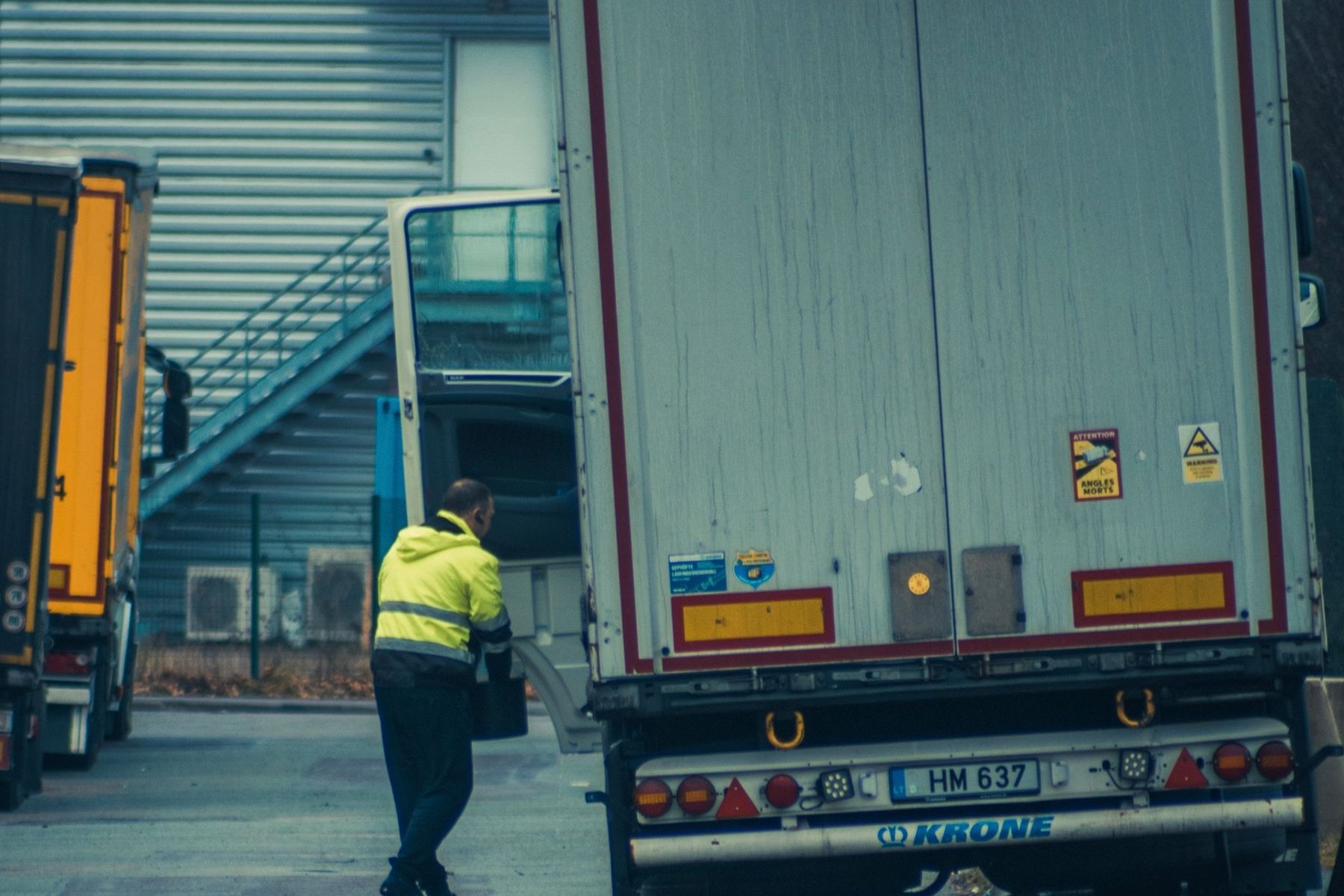
When a customer collects in their own vehicle, handover is the last point the seller observes. If later conditions are unknown, a handover record and clear instructions matter.
Do not infer protection from vehicle type
A boot, enclosed body or refrigerated vehicle label alone does not prove product temperature or transport duration.
Check before handover
Record product and lot, order, packaging condition, handover time, recipient and person releasing the goods. Show the approved storage and transport instructions.
Ask about expected journey time and stops. This informs risk review but does not guarantee safety.
| Handover record | Example field |
|---|---|
| Product | Name, lot, quantity |
| Packaging | Type, seal or damage status |
| Time | Loading and handover time |
| Transport | Vehicle detail, estimated arrival |
| Transfer | Recipient and releaser, instruction confirmation |
Choose a suitable transport method. If an insulated container or additional instructions are needed, determine them from approved product conditions and the actual route profile. Verify compatibility before recommending coolant or a duration.
A signed handover record alone does not prove product quality after transport.
Provide instructions and a contact route
Give the customer written storage instructions, a contact for delay or packaging damage, and the complaint reporting method.
The container's job is to hold the regime for the rest of the journey, and thermal containers do it with a closed body and eutectic plates.
Review records after a complaint
Match complaint time, product and lot, delivery record and transport information shared by the customer. Start the authorized quality process if product disposition is needed.
Track customer pickups separately to identify recurring patterns of delay, damage or complaints.
A simple signature does not show that product conditions were maintained throughout the journey.
For improvement, first collect measurable handover details; then choose a method for the product and route.