
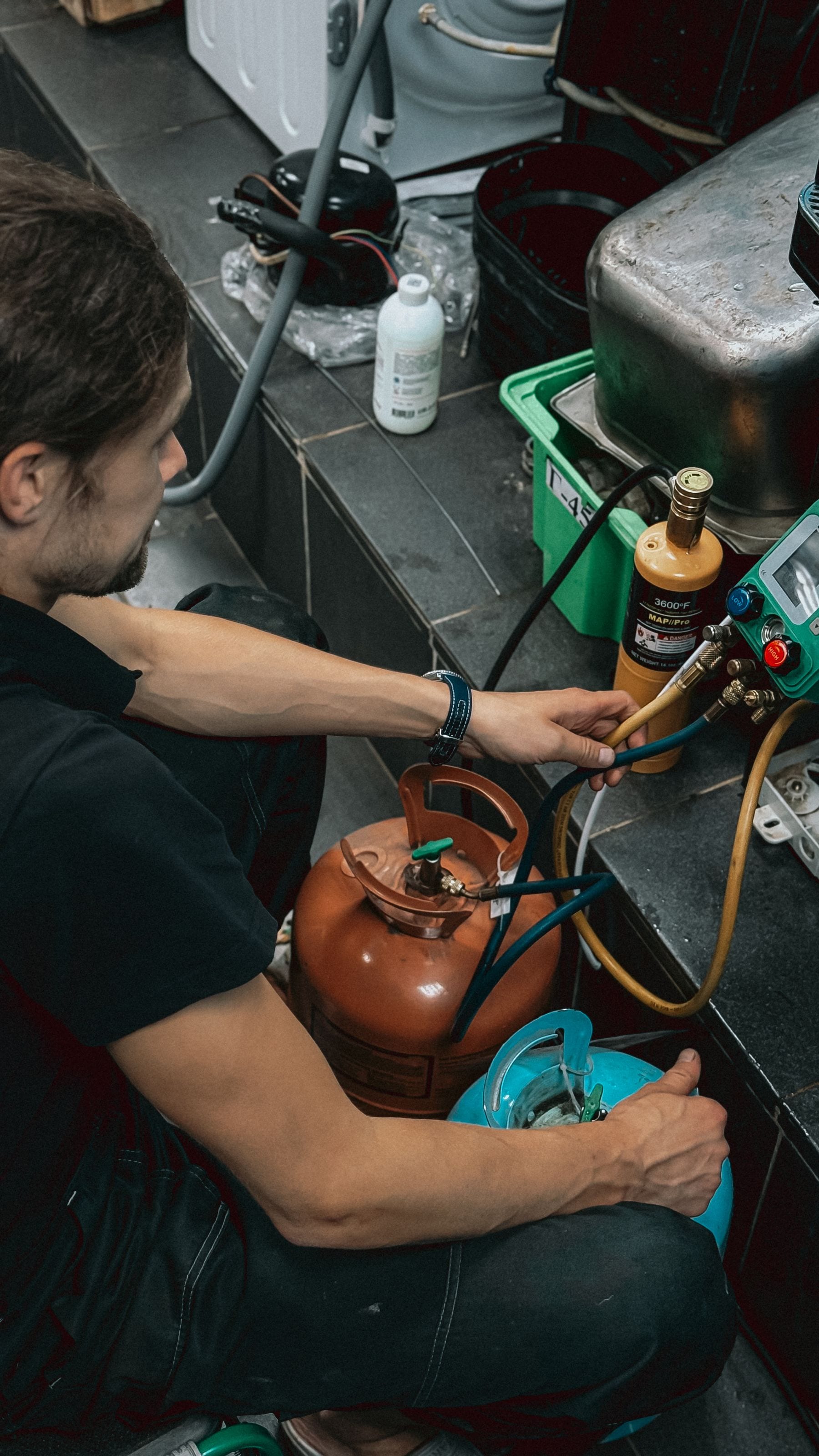
Longer run time or slower pull-down can have different causes; neither alone diagnoses a refrigerant leak. Record the change and compare it with earlier cycles under similar conditions.
Record the symptom in context
Note the date, unit mode, setpoint, ambient conditions, load status, alarms and run time together. Verify door openings, service work and any refrigerant added from service records. Compare like with like for the same model and similar duty conditions.
Pass a suspected leak to service. Do not open the circuit, try to mask the issue by adding refrigerant or conduct your own leak search. Monitor cargo temperature safely and in line with procedure; apply the company's fault and cargo-protection steps when needed. Leak testing and repair belong to service personnel with appropriate competence and equipment.
Ask the service provider to document findings, tests, refrigerant used and amount added, and the post-repair check on the work order. Separately verify any recordkeeping or legal duties for the country, refrigerant and equipment with a current authoritative source.
