
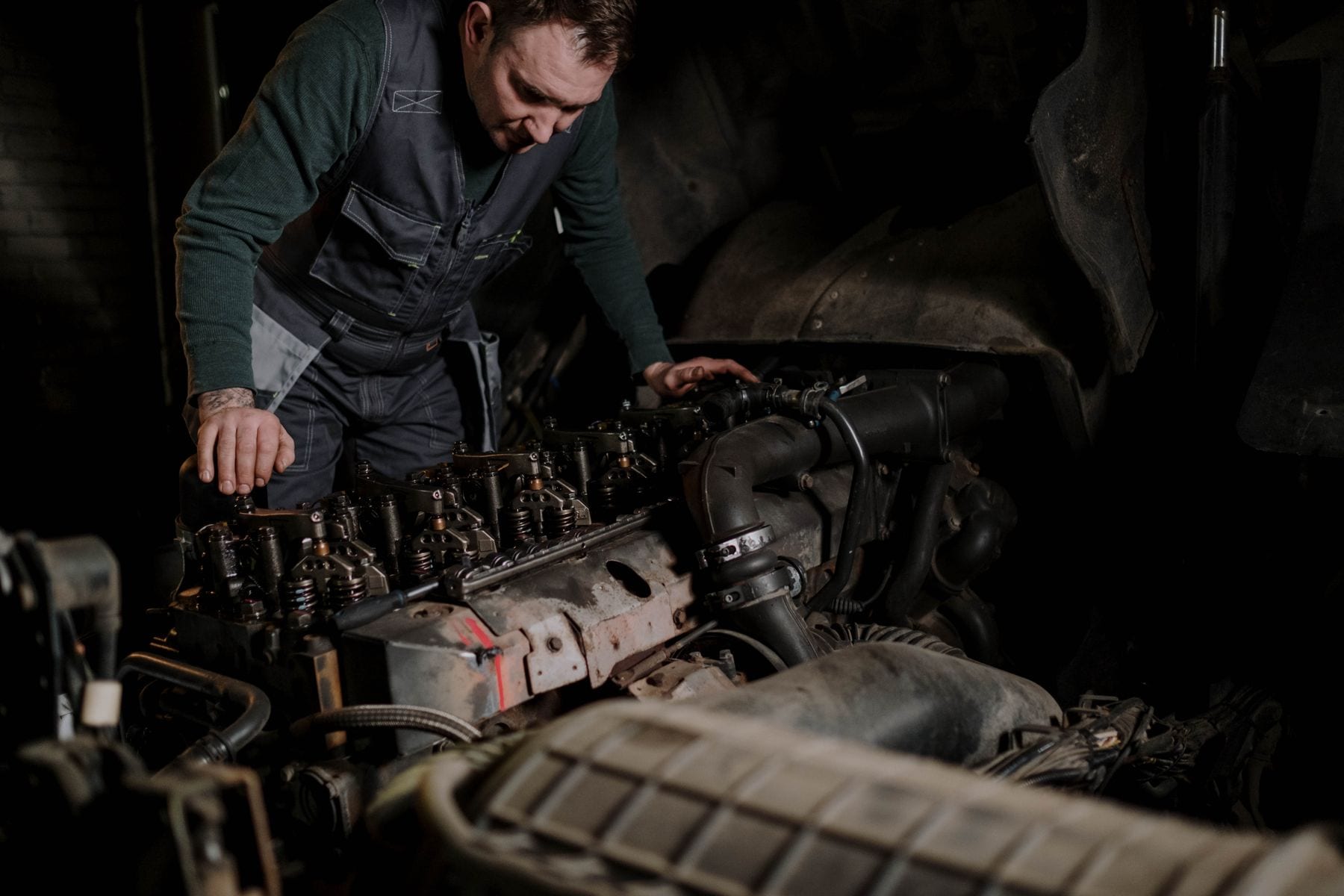
Tying refrigeration-unit maintenance only to mileage, a weekly check or an annual leak test for everyone does not make a sound calendar. Combine hour-meter reading, calendar age, model instructions, diesel or electric operating mode and conditions such as heat, dust and moisture. Start with the unit’s own documentation and service history when setting an interval.
Separate the service triggers
Identify the counter being read: diesel-engine, electric-operation and total unit hours are different measures; the calendar tracks seals, connections and periodic work that age even when the unit is idle. The same model can carry a different service load in different modes and environments. For example, the Thermo King Precedent maintenance table gives an authorised-service trigger of 3,000 hours or two years, whichever comes first; that example belongs only to the units and task scope in that manual.
| Record field | Why track it? | Work-order decision |
|---|---|---|
| Model and serial number | Correct instruction and parts | Match the model record with service |
| Running hours | Hour-based service threshold | Plan from the instruction interval |
| Calendar date | Age and periodic work | Use the earlier trigger |
| Operating mode | Diesel, electric or other use | Separate by mode instruction |
| Environment and duty | Dust, moisture, traffic, load and waiting | Review scope if needed |
Limit the driver’s external check. The driver records the air intake and visible external damage, a loose cover, an abnormal sound or a display warning under the operating procedure. They do not open or repair the fan, belt, electrical or refrigerant systems, and fuel use does not diagnose a leak. Pass the sign, photo and hour reading to the service owner.
Standardise the service record
Each work order records model, serial number, hour-meter reading, date, diesel or electric operating mode, environment note, work completed, consumables, replaced parts, findings, next trigger and responsible technician. This lets you track repeat findings, deferred work and the conditions under which service was performed.
Keep three budget lines
Track planned visits and consumables, finding-led repairs, and backup transport or temporary equipment in separate lines. Link the work order, invoice and parts record under one identity so a task is not counted twice. Mark an unconfirmed amount as an estimate and update its scope and value when the service quotation arrives.
Plan transport during service
Write down how the load will be protected while the unit is in service: another suitable vehicle, a controlled passive container or a rescheduled shipment may be options. A passive box is not automatically equivalent to a powered refrigeration unit on every route; product condition, duration, load and pack-out still need their own check.
Record the last completion date and counter reading beside each task's next due point. If an alarm appears before that date, follow the fault-code recording steps; a future service date does not invalidate an alarm.

